
Some autistic children experience incontinence. Learn 8 tips to manage their bladder or bowel leakage, and read our Q&A from the Daily Autism Podcast.
Q & A With Daily Autism Family! Plus 8 Ways to Help Kids With Autism & Incontinence

Some autistic children experience incontinence. Learn 8 tips to manage their bladder or bowel leakage, and read our Q&A from the Daily Autism Podcast.

There is a significant chance for both children and adults with Down syndrome to develop incontinence, but it doesn’t have to impact their quality of life. By recognizing and properly treating the incontinence symptoms as soon as possible, your loved one can properly manage their fecal or urinary incontinence by making simple changes to their daily lives.
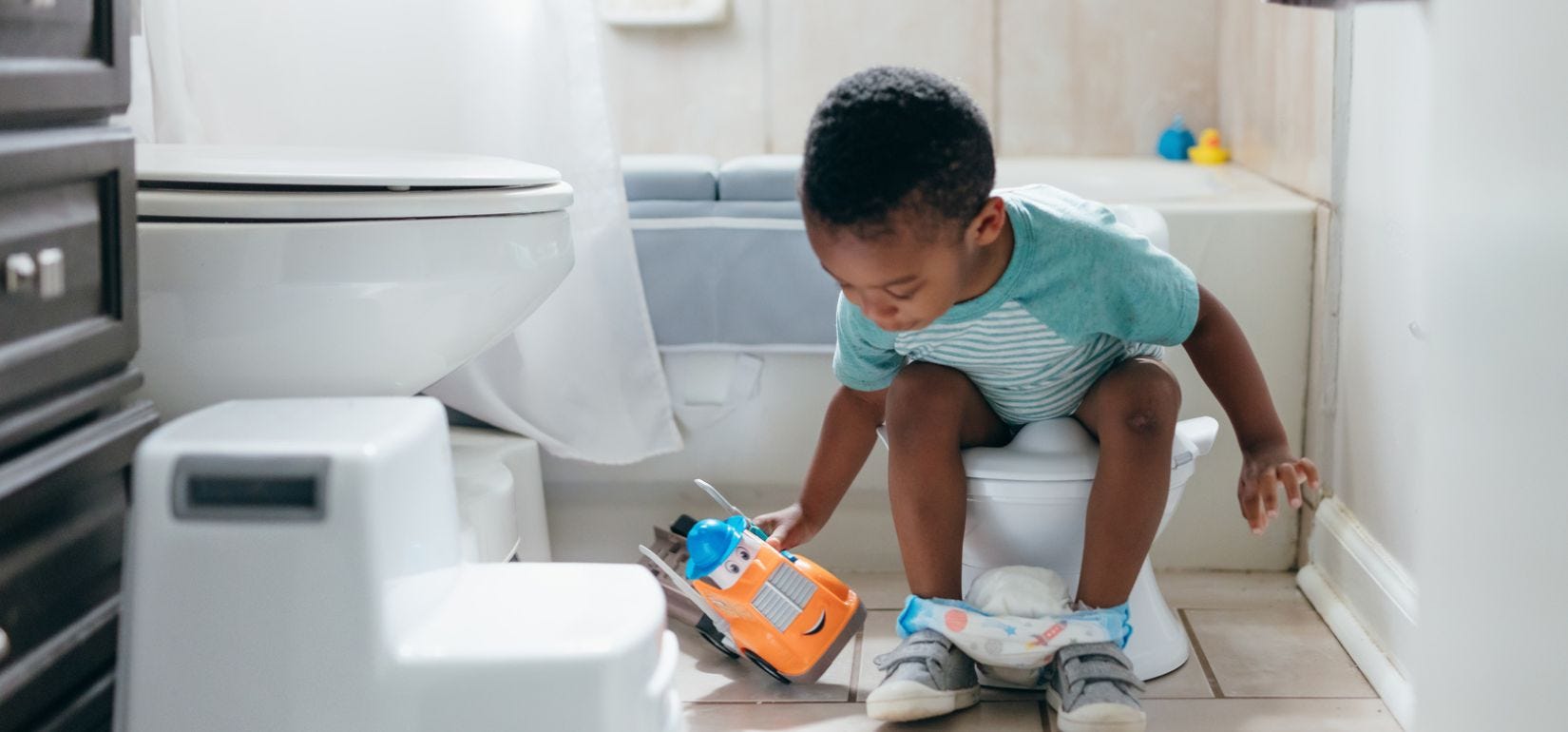
If your child is transitioning out of diapers, you know that the toilet training process is long and challenging for both parents and kids. Toilet training a child with autism can also be surprising at times due to the unique obstacles they may face. Read this post to understand your child's needs while potty training.


Loss of bladder control can occur after a spinal cord injury if certain nerves are damaged, but there are ways to treat your incontinence symptoms.

Learn the difference between autism and Down syndrome and how incontinence is related to both conditions.

Cerebral palsy causes incontinence in many adults and children but there are ways you can help your loved one manage their incontinence symptoms.
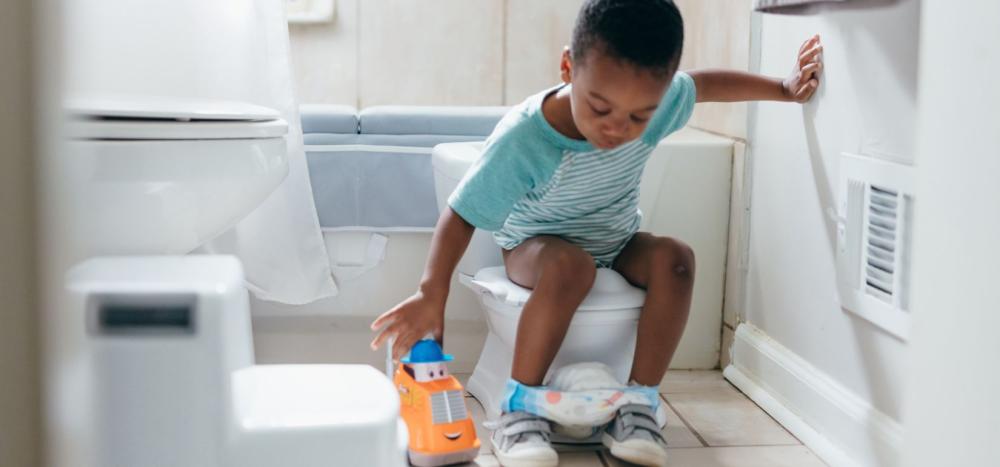
Don't be discouraged when toilet training your child with ADHD. Use these expert tips to make you and your little one confident throughout the process!

If your child is born with Hirschsprung's disease, they may develop fecal incontinence. Read how and see if they can get incontinence supplies through insurance.

Find out 10 ways teachers can help students with incontinence manage it in the classroom.