Incontinence may be present in older children with autism. Discover why bladder and bowel issues continue into later years and find out what you can do to support your loved one.
The Ultimate Outfits for Hiding Diapers and Catheters
, by Marlee Septak .
When an individual is diagnosed with incontinence, they can often feel the weight that comes with having to adapt their lifestyle to the daily use of disposable briefs, catheters, and other continence care products. Part of this weight is a never ending stream of thoughts about concealing their products in their clothing. Will their catheter be obvious? Will their briefs, also referred to as adult diapers, be noisy? Once they void their bladder, will it cause their protective undergarments to sag? Don’t fret - some of this stress can be alleviated by making simple changes to your wardrobe.
Q&A with Ms. Wheelchair USA - Madeline Delp
, by Aeroflow Urology .
Madeline Delp is a car accident survivor turned motivational speaker, disability advocate, and public figure. She is a Ms. Wheelchair USA winner, fear-chaser, and world traveler. She, through her nonprofit Live Boundless, has delivered over 400 wheelchairs to those in need in Asia and South America. Despite her busy schedule of fear-chasing and pageant winning, Madeline sat down with us to answer some questions on everything from dating to staying active in a pandemic.
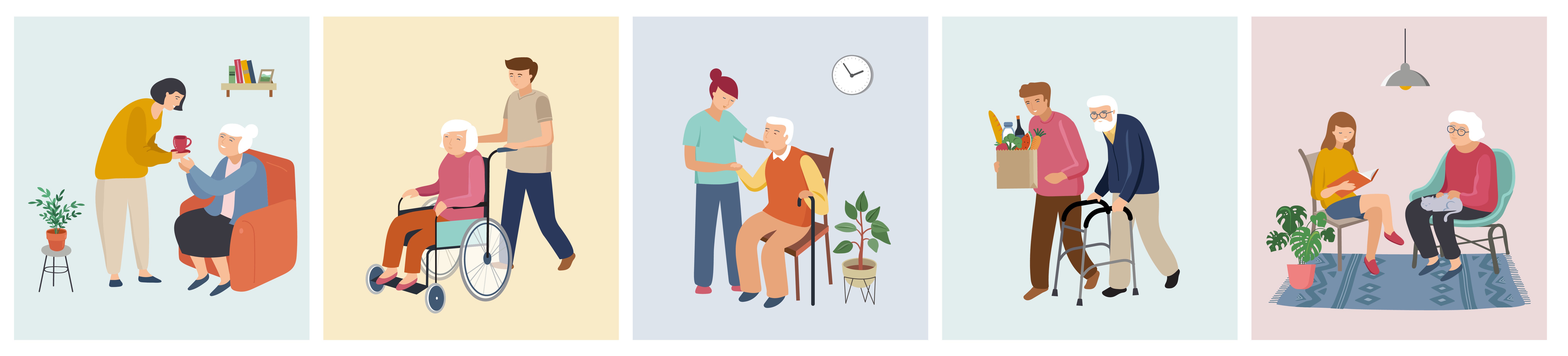
5 Ways to Help Your Parent with Incontinence
, by Marlee Septak .
When you're born, your parent is your lifeline. They feed you, burp you, change you; you're completely dependent on their care. Then, as you grow older, you become more and more autonomous and independent of your parents, and it's a very exciting time. Your parent is still the invincible lifeline that guided you through the beginning of your life, but then things start to change. Your parents grow older, and they begin to show signs of their increasing age.
It can start as small things - needing reading glasses, forgetting where they put the remote, asking for a hand to get up out of a chair, etc. However, as your parent transitions into their older years, you may have to find a caregiver for them. You might even begin to become their primary caregiver, yourself. This is where things can start to become uncomfortable. In this new role, the child becomes the surrogate parent. However, some changes don't have to be as drastic as they initially seem. Discussing intimate subjects such as continence care can be intimidating. Trust us, we know. However, there are ways to receive help. If you keep these five factors at the front of your mind, you can set both you and your parent up for success.
You know the situation all too well. You’re awoken to the pitter-patter of tiny feet walking across your bedroom floor. You flutter your eyelids open to see your child standing at the end of your bed in damp pajamas, looking disappointed and embarrassed. And then, they say the dreaded words, “I had an accident.”
While this can be frustrating and disappointing for both child and parent, do you ever catch yourself wondering...why do kids wet the bed?
What No One Tells Women About Middle Age
, by Lisa King .
As women approach midlife, they may have some idea about life changes that they may start to experience, including menopausal symptoms, mood swings, or bladder leakage. Talking about menopause with girlfriends is often commonplace. Joking about hot flashes and the temperature of the room is often the norm. Women will usually discuss their mood swings and even send memes to friends that make light of this issue. What no one seems to talk about is overactive bladder and incontinence.
An overwhelming 72% of the women polled have experienced incontinence, which includes bladder leakage as well as a total loss of bladder control. The results also indicated a clear lack of education and available resources to women as they navigate these changes to their body without help or direction from their healthcare provider.
Confessions of a Wheelchair Pageant Queen
, by Madeline Delp .
Aeroflow Urology is proud to have sponsored Asheville's own Madeline Delp to compete in Miss North Carolina, USA. Madeline is the first person to ever compete for this pageant in a wheelchair and has made revolutionary progress in spreading awareness for the disabled.
How to Care for Sickle Cell Disease & Incontinence
, by Marlee Septak .
Caring for someone with sickle cell disease often means providing for your child as well as taking care of yourself, since it’s an inherited condition. However, your child may have different symptoms than you, such as incontinence.
How To Find Adaptive Clothing For Disabilities
, by Marlee Septak .
If you care for someone with a mental or physical disability or struggle with a disability yourself, finding proper clothing might be a struggle. Clothes need to be functional, comfortable, and easy to put on and remove! That’s why it’s time to consider adaptive clothing for disabilities instead of traditional options.






 By
Lisa King
By
Lisa King