
1 in 20 men experience concerns with urinary incontinence. Even though these concerns are common, you don’t have to live with soggy cheerios and other pelvic floor dysfunction concerns.
Why Men Should Care About Their Pelvic Floor

 By Jesse S.
Managing incontinence at work? Read Jesse's story as an adult with autism and incontinence and get his expert tips for staying confident in the workplace.

Ally’s Law, also known as the Restroom Access Act, can help ensure you have access to restrooms in public if you have bladder or bowel control issues.

Sitting for extended periods of time can cause pelvic floor damage, leading to pelvic floor dysfunction and incontinence. Keep your pelvic floor healthy by following these tips.

Explore the comprehensive guide to understanding colon cancer, rectal cancer, and bowel incontinence – from causes and symptoms to preventive strategies and available treatments. Empower yourself with knowledge to prioritize your colorectal health and take proactive steps towards a healthier future.

Rheumatoid arthritis is a chronic inflammatory condition that may cause bladder control issues, known as incontinence. Learn about the connection and find treatment with tips from our Medical Advisor, Aleece Fosnight.
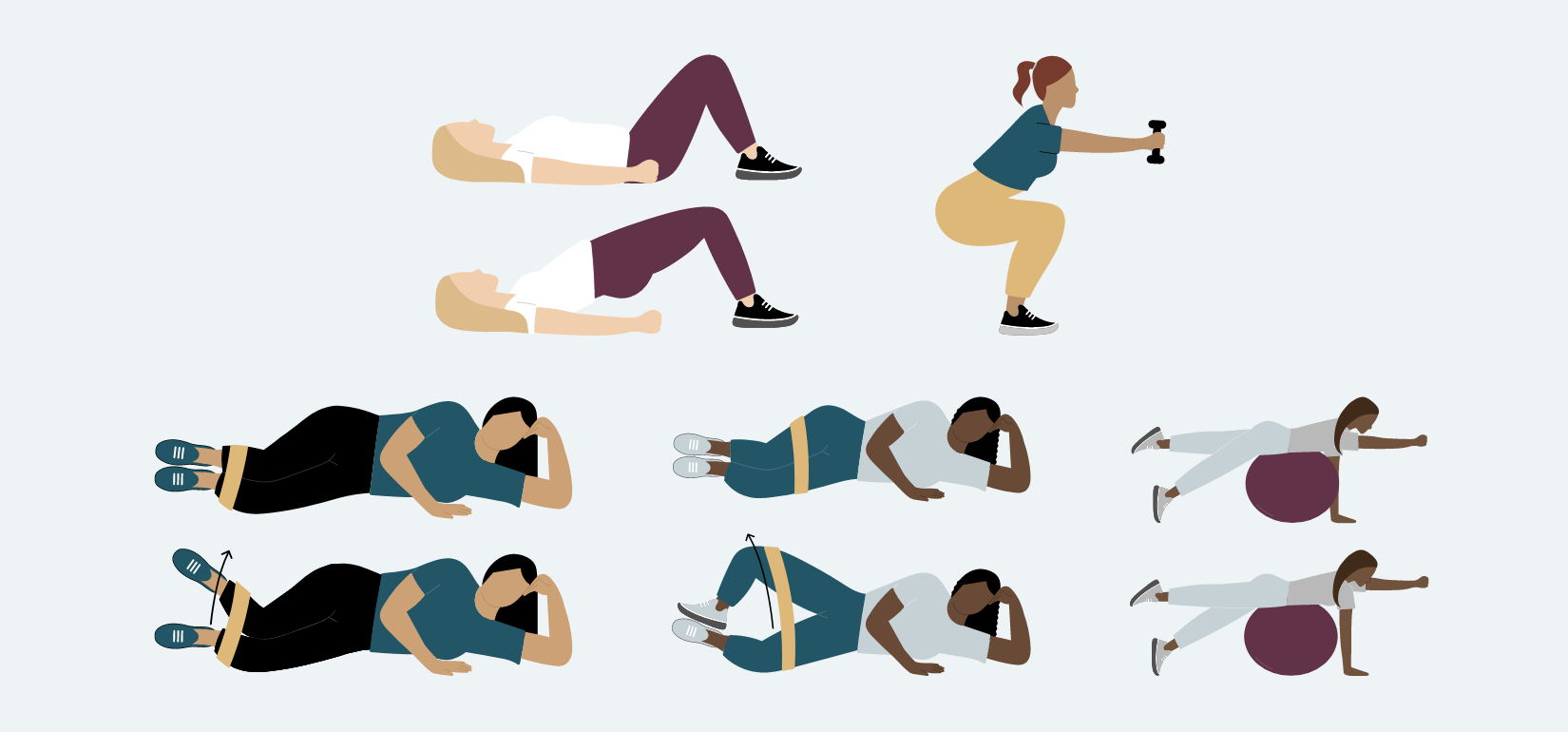
Did you know that you can blend pelvic floor exercises, or kegels, into other exercises that you may already have in your exercise routine? It’s true! There are many exercises that can incorporate the pelvic floor. Because the pelvic floor muscles are similar to your abdominal muscles, you can even exercise them every day.

Feel like you don't spend enough time using the restroom? Use these 13 tips when going to make sure your bladder is completely empty. Doing so will help you avoid problems like UTIs, damaged bladder muscles, and even kidney failure.

Syphilis, a sexually transmitted infection (STI), is on the rise. Common symptoms include sores, rash, and a lesser-known side effect: Urinary problems.

From waking up at night to pee to leaking urine when you laugh, urinary incontinence caused by diabetes can sometimes feel challenging to manage... or even understand. Learn about these prevalent conditions and their connection.