Lifestyle

Is Cycling Bad for Pelvic Floor Health?

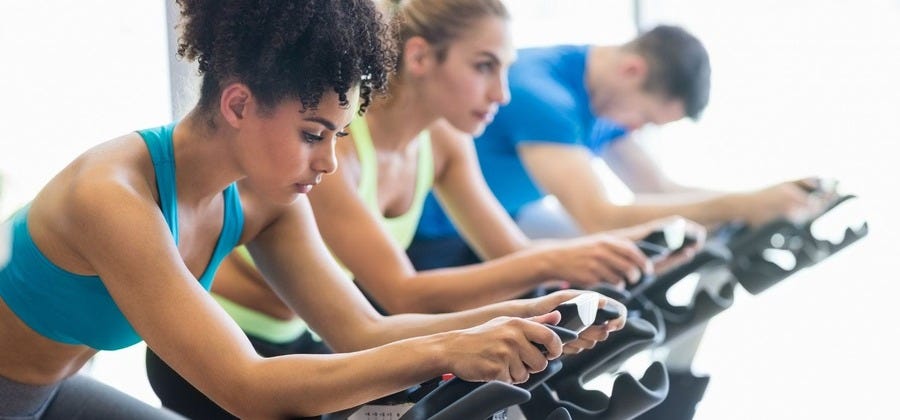
Women in spin class damaging pelvic floor

Spin bikes have been great during the pandemic, but cycling for too long can lead to pelvic floor damage and incontinence. Thankfully, there are ways to manage your incontinence symptoms and keep using your bike.

Read more

How Bladder Problems Worsen Women's Mental Health

We know that incontinence symptoms can be stressful to manage, but studies are now finding that these symptoms actually cause depression, anxiety, and low self-esteem levels among women. 
Read more

Autism, Sex, & Stigmas

sex and autism

Sex can sometimes be viewed as taboo, but let’s face it: It’s a regular part of our everyday lives, even if we’re not sexually active. It’s everywhere— on social media, television, and advertisements. But how are sex and romantic relationships discussed among people with autism? And why are there still stigmas around it?


Read more

Autism & Diet: The Best & Worst Foods

girl with autism holding food

Research suggests that diets can have an impact on the lifestyles of people who have autism. Read this post in under 10 minutes to find out which foods are best and worst to eat if you have autism.

Read more

The Link Between COVID-19 & Frequent Urination

Man washing hands in bathroom

During the COVID-19 pandemic, people with overactive bladder (OAB) have been experiencing an increase in their symptoms. Some even noticed an onset of new symptoms that they hadn't before, such as frequent urination and nocturia. Could this be connected to the coronavirus? Discover what new studies are revealing about the link between Covid-19 and frequent urination. 

Read more

The Ultimate Outfits for Hiding Diapers and Catheters

When an individual is diagnosed with incontinence, they can often feel the weight that comes with having to adapt their lifestyle to the daily use of disposable briefs, catheters, and other continence care products. Part of this weight is a never ending stream of thoughts about concealing their products in their clothing. Will their catheter be obvious? Will their briefs, also referred to as adult diapers, be noisy? Once they void their bladder, will it cause their protective undergarments to sag? Don’t fret - some of this stress can be alleviated by making simple changes to your wardrobe.

Read more

What No One Tells Women About Middle Age

As women approach midlife, they may have some idea about life changes that they may start to experience, including menopausal symptoms, mood swings, or bladder leakage. Talking about menopause with girlfriends is often commonplace. Joking about hot flashes and the temperature of the room is often the norm. Women will usually discuss their mood swings and even send memes to friends that make light of this issue. What no one seems to talk about is overactive bladder and incontinence.

Read more

Why Urinary Incontinence in Women Is On The Rise

Urinary incontinence can be caused by factors such as nerve damage, medications, pelvic injuries, obesity, and urinary tract infections (UTIs). However, two factors that contribute specifically to the rise in incontinence in women include pregnancy and menopause.

Read more

Helping Parents Avoid Frustration With Pediatric Incontinence

Nothing can throw off your plans like wet sheets, wet car seats, wet pants, and more, but unfortunately, these accidents can be a normal part of caring for a child with pediatric incontinence. When you have to stop what you're doing to handle clean up, remember that any frustration you’re feeling may be intensified for your child with extra anxiety, fear, and embarrassment. Learn how to help your child cope with a little advice on how to avoid becoming frustrated.

Read more

Previous Page 1 ... 3 4 5 6 7