Why Do I Feel Like I Have to Pee Again? 6 Reasons
-
 By
Tiff Perritt
By
Tiff Perritt
Key Takeaways:
- Feeling like you constantly have to go pee after you just peed? You may be experiencing frequent urination. That sign could point to something more serious, such as a urinary tract infection (UTI), diabetes, or an enlarged prostate.
- Most adults pee between 5 to 6 times a day, though this varies based on your age, anatomy, the amount of fluid you drink, and any medications you take.
- If your doctor has ruled out any medical issues, small changes may reduce how often you pee. This can include adjusting your water intake, scheduling bathroom breaks, or doing pelvic floor exercises.
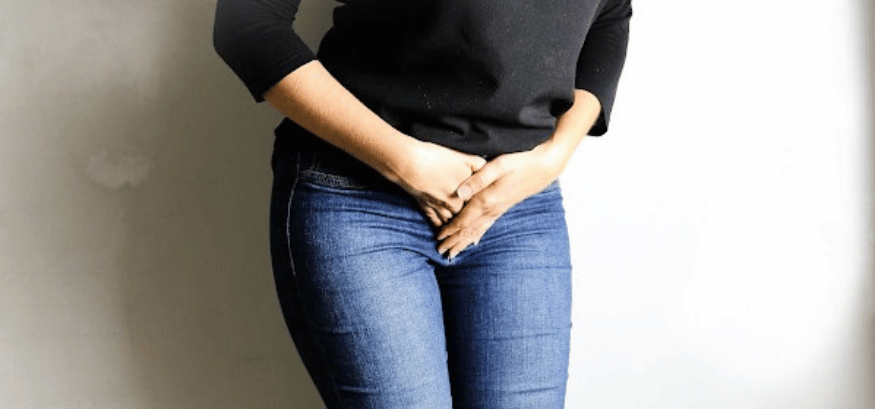
If you’re asking yourself, “Why do I feel like I have to pee after I already peed?” you’re not alone. This constant urge to urinate could be a symptom of overactive bladder (OAB). However, while it can happen for simple reasons, it may also point to a more serious medical issue.
Read this article to learn why you feel like you need to pee every 5 minutes, what may be causing it, and when you need to see a doctor.
How Many Times a Day Should I Pee?
The average U.S. adult pees between 5 to 6 times a day.
One study published in The Journal of Urology looked at 141 women and 141 men and found that women peed more often than men. As you get older, your bladder may become less flexible, so you may need to empty it more often. Data shows that up to 39% of women over the age of 60 experience urinary incontinence on a daily basis.
Though, how often you pee depends on a variety of factors.
Quick Tip: It’s also important to avoid peeing “just in case,” as using the bathroom when you don’t need to may train your bladder to hold less urine and make the problem worse.
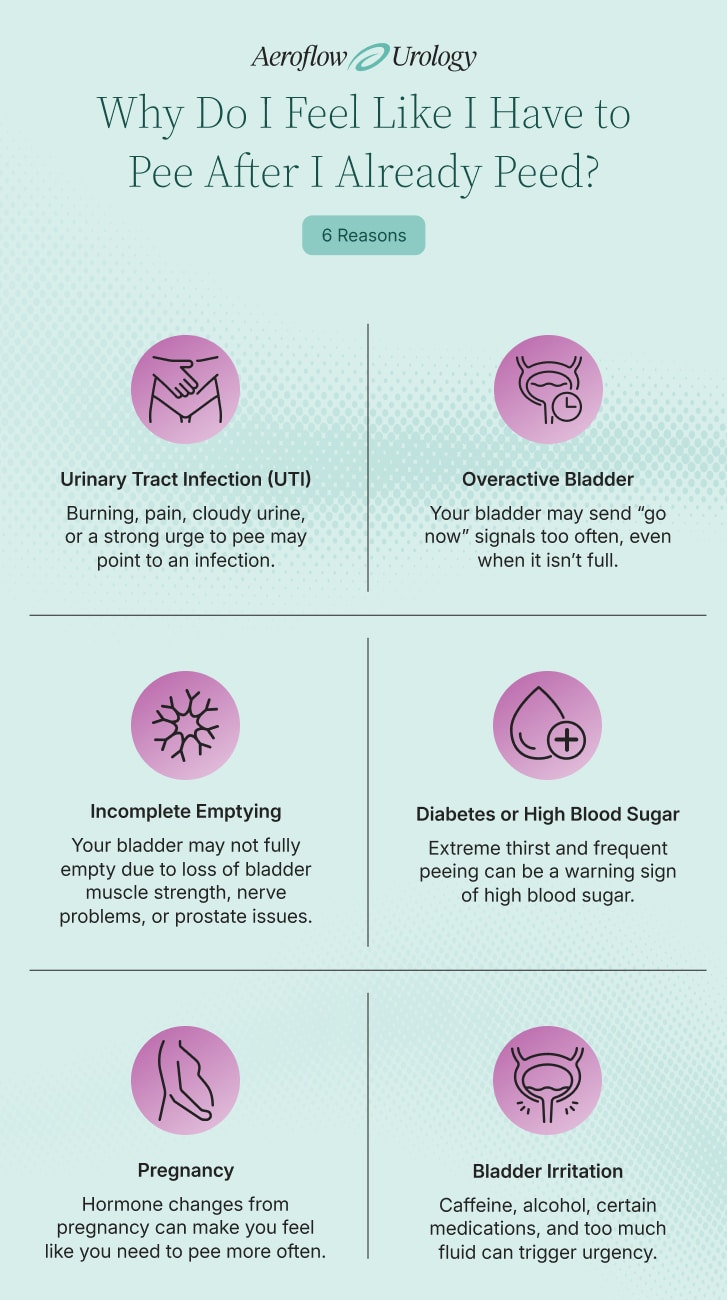
Why Am I Peeing So Much? 6 Causes
Feeling like you have to pee all the time can be normal in certain situations, but it isn’t something you should ignore.
Some are easy to pinpoint, like drinking too much water or having caffeine. Others may warrant a trip to the doctor for medical care, especially if you have pain, burning, blood in your urine, urine that smells different, extreme thirst, fever, or trouble peeing.
Look at the most common causes for feeling like you have to pee again and again:
1. Urinary Tract Infection
A urinary tract infection, or UTI, is one of the most common reasons you may feel like you have to pee right after you already went. You may only pee a small amount, but still feel a strong urge to go.
Other UTI symptoms can include burning, pain when peeing, cloudy urine, strong-smelling urine, pelvic pain, or blood in your urine.
If you leave a UTI untreated, it can lead to a potentially serious kidney infection (pyelonephritis).
2. Overactive Bladder
Overactive bladder can make your bladder send “go to the bathroom now” signals even when it isn’t full. This can make you feel like you have to pee often, suddenly, or right after you already peed.
Some people with OAB may also wake up at night to pee, also called nocturia.
Others may leak urine before reaching the restroom, which is known as urge incontinence. Both can happen with OAB.
Did You Know? OAB can affect anyone. According to Yale Medicine, up to 30% of men and 40% of women in the United States have an overactive bladder.
3. Incomplete Bladder Emptying
Sometimes, you may still feel like you have to pee because your bladder didn’t fully empty the first time. This is called incomplete bladder emptying, also known as urinary retention.
It may be due to:
-
Blockage, potentially from:
-
Cysts
-
Kidney stones
-
Pelvic organ prolapse
-
Prostatitis
-
Uterine fibroids
-
Urethral stricture
-
Nerve issues:
-
Multiple sclerosis
-
Parkinson’s disease
-
Spinal cord injury
-
Stroke
-
-
Loss of strength in the bladder muscles
-
Surgery
-
Pelvic floor dysfunction
-
Certain medications
You may notice a weak stream, dribbling, trouble starting, or the feeling that urine is still left in your bladder after you pee.
Urinary retention / incomplete bladder emptying can sometimes be a medical emergency. Seek care right away if you suddenly feel abdominal pain.
4. Diabetes or High Blood Sugar
Feeling like you have to pee again after you just went can be a warning sign of high blood sugar. When sugar builds up in your blood, your kidneys work harder to remove it through urine, which can make you urinate more often.
You might also notice feeling more thirsty, tired, and hungry than usual, or experience blurred vision.
Need bladder control supplies? See if you're covered for $0 pads, diapers, and more!
Frequent urination doesn’t always mean you have diabetes, but it’s worth scheduling an appointment with your healthcare provider if it comes with extreme fatigue or blurry vision.
5. Hormone Changes
When the body goes through hormonal changes, it can affect how many times you pee a day.
Your thyroid’s health can be a reason you’re experiencing an onset of bladder symptoms. This is because your thyroid functions as a “master regulator” for your metabolism and nervous system. A disruption in these hormones can impact your urinary system.
If you’re pregnant, you may need to use the bathroom more often. This can occur due to changes in kidney function and increased pressure on the bladder.
Perimenopause and menopause can also affect the bladder and urinary tract as estrogen levels drop, resulting in frequent urination.
These changes can be common, but if they bother you or affect your day, don’t be afraid to bring them up to your healthcare provider.
Did You Know? If you menstruate, you may feel like you need to pee more on your period because of an increase in progesterone.
6. Bladder Irritation from Food or Drinks
Your bladder can get irritated by certain foods or drinks. Common bladder irritants may trigger urinary urgency. These may include:
-
Caffeine
-
Alcohol
-
Artificial sweeteners
-
Citrus fruits
-
Carbonated drinks
-
Spicy foods
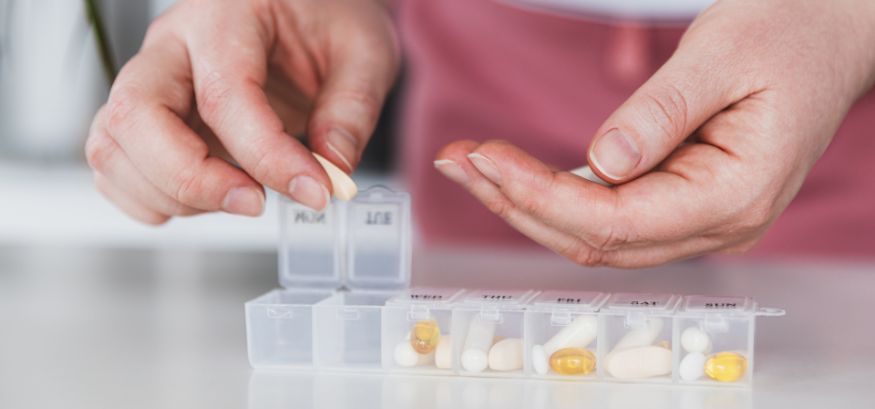
Drinking too much fluid at once can also make you feel like you need to pee more often. Some medications, such as diuretics that doctors prescribe to treat high blood pressure or heart failure, may increase urination or even cause bladder leaks.
Bladder irritation doesn’t always mean something serious is wrong, but it can still be frustrating.
Other Factors That Can Cause Frequent Urination
Other possible factors that can make you feel like you need to pee a lot include:
-
Age-related bladder changes.
-
Stress and anxiety
-
Certain medical conditions:
-
Chronic kidney disease
-
Interstitial cystitis (bladder pain syndrome).
-
-
Having the flu or a cold.
-
Sleep apnea or sleep issues.
-
Constipation, which can put pressure on the bladder.
How to Stop Frequent Urination and Find Treatment
To treat frequent urination, you need to identify the cause.
Your doctor or healthcare provider can help you determine what’s causing your symptoms by asking you a series of questions.
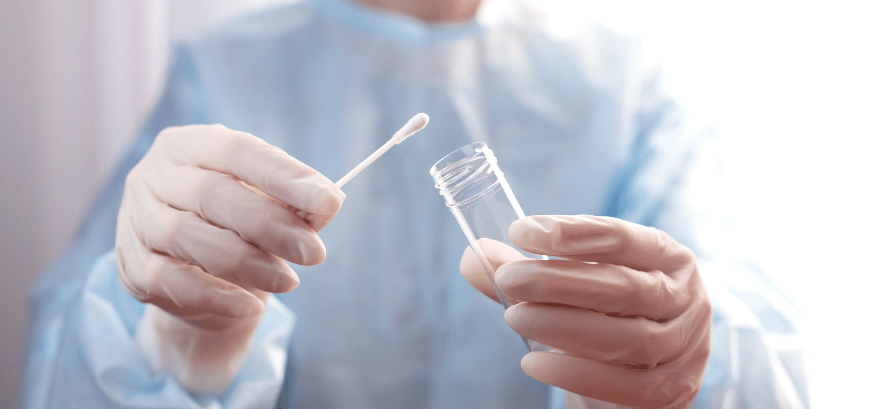
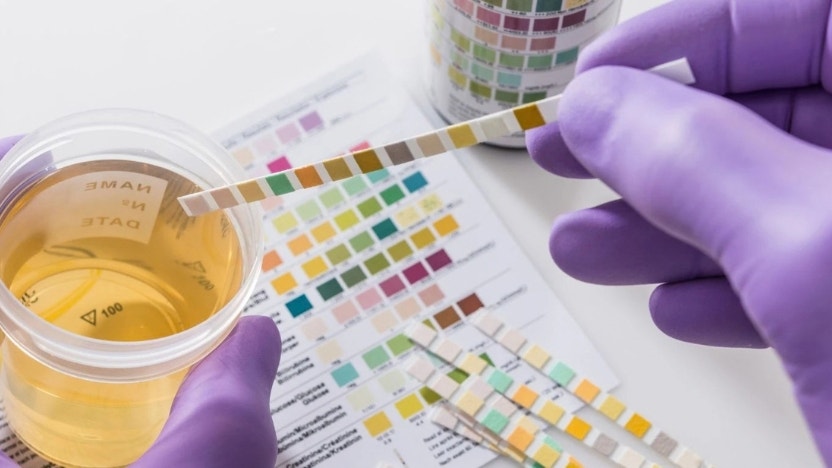
They may also conduct a urinalysis (urine test) to determine whether your symptoms are caused by an underlying condition, such as an infection.
Can You Treat Frequent Urination at Home?
Sometimes, after a provider rules out infection, diabetes, retention, or another medical cause, they may recommend some behavioral or lifestyle changes:
-
Limiting caffeine or alcohol
-
Quitting smoking
-
Scheduling bathroom breaks
-
Trying bladder training
-
Doing at-home pelvic floor exercises, such as Kegels
Consult your healthcare provider before making behavioral changes or lifestyle changes.
Talk to Your Doctor About Frequent Urination
Bathroom habits can change, but a constant need to pee is a sign worth paying attention to. Sometimes, drinking too much water or coffee, or starting a new medication, makes you pee a lot.
It could also be the result of a more severe condition, such as a UTI or diabetes. The right treatment depends on the cause of your frequent urination, and your healthcare provider can help rule out the underlying reason.
If you feel like you have to pee again after already going, reach out to your doctor. They can ensure you get the correct treatment for your symptoms.
A referral to a pelvic floor therapist can also be helpful in supporting you with decreasing urinary frequency.
Want $0 Bladder Control Pads?
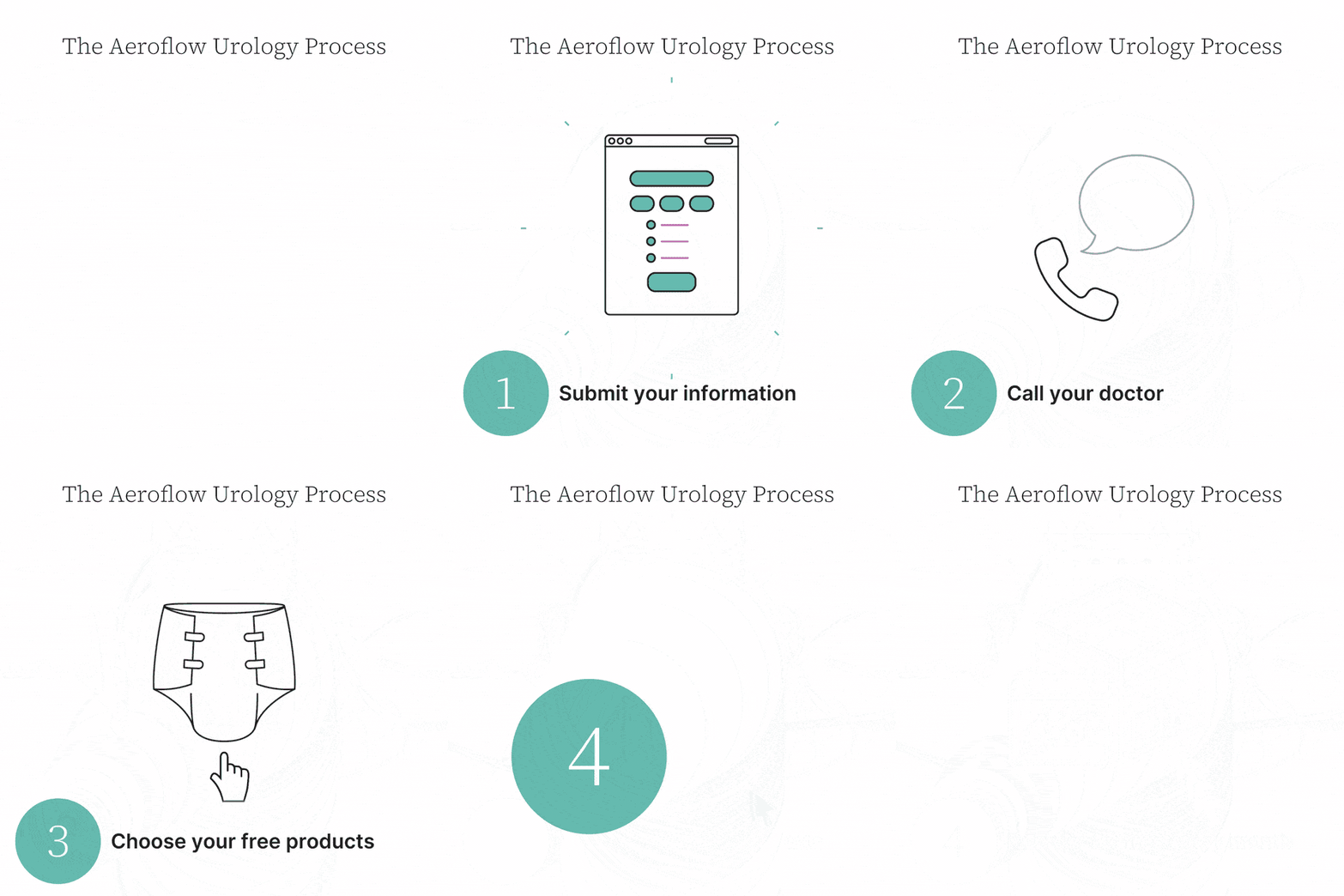
It's easy to get free supplies like pads, diapers, and more. Submit your information, call your doctor, select your products, and we'll ship them to you monthly.
Frequently Asked Questions
What’s it called when you feel like you have to pee after peeing?
Feeling like you have to pee after you already peed is usually known as urinary urgency. This means you feel a strong, sudden urge to urinate, even if your bladder isn't full. If you find yourself taking more bathroom trips than usual, reach out to your healthcare provider.
Why do I pee so much when I drink water?
It can be normal to pee a lot after you drink water, especially if you drink a lot at once. But if you feel like you’re peeing constantly, waking up often at night, or feeling unusually thirsty, it could be a sign of overhydration or an underlying issue like diabetes, a UTI, or OAB.
When should I see a doctor if I feel like constantly peeing?
Schedule an appointment with a medical provider if your urination is causing you to avoid social activities, a sudden onset of urinary frequency, or if you develop a fever, chills, pain when peeing, nausea, vomiting, or trouble peeing. These symptoms may indicate an infection or another condition that requires treatment.
What causes frequent urination in women?
Frequent urination in women can be caused by OAB, a UTI, pregnancy, pelvic floor issues, menopause-related changes, pelvic organ prolapse, diabetes, certain medications, stress, or bladder irritants like caffeine or alcohol. Contact your healthcare provider if you’re experiencing frequent urination.
What causes frequent urination in men?
Frequent urination in men can be caused by OAB, a UTI, diabetes, certain medications, pelvic floor dysfunction, bladder irritants like caffeine or alcohol, stress, or prostate-related issues, such as BPH or prostatitis. Contact your healthcare provider if you’re experiencing frequent urination.
Do I have a UTI or an overactive bladder?
The only way to determine if you have a UTI is to schedule an appointment with your doctor. They can perform a urinalysis (urine tests). A UTI may feel similar to OAB, with symptoms like urgency and frequent urination, but leaving a UTI untreated can lead to complications.
Why do I feel like I have to pee if I don’t have a UTI?
If a healthcare provider has already treated you and determines that you don’t have a UTI, your symptoms may point to a different issue, such as OAB, bladder irritation, pelvic floor problems, certain medications, pregnancy, diabetes, or prostate issues. Talk with your healthcare provider if you continue experiencing symptoms.
Why do I feel like I need to pee but can’t?
Feeling like you need to pee but can’t may be a sign of urinary retention, which means your bladder isn’t emptying properly. This can happen for reasons such as blockage, medications, constipation, kidney stones, cysts, nerve issues, or prostate problems. Contact your doctor, especially if this is a new symptom.
Aleece Fosnight

Aleece Fosnight, MSPAS, PA-C, CSC-S, CSE, NCMP, IF, HAES is a board-certified physician assistant specializing in sexual medicine, women’s health, and urology.
In 2019, Fosnight opened up her own private practice, the Fosnight Center for Sexual Health, and implemented the sexual health grand rounds curriculum at her local hospital and residency program.
Fosnight is also the founder of the Fosnight Foundation, a non-profit organization dedicated to the education and training of professionals in the sexual health field and providing funding for access to healthcare services in her local community.
About the Author
Tiff Perritt is the Content Writer at Aeroflow Urology. She writes with clarity and compassion on topics surrounding incontinence, aiming to help patients feel informed and supported. Driven by a strong interest in health equity, she supports efforts that promote education and access to incontinence care for underserved communities.
She earned her Bachelor's degree in Technical Communications from University of Houston - Downtown and her Associate's degree in English from Lee College. Her work has been featured by leading healthcare colleges and respected healthcare organizations across the country.
Outside of work, she loves to hike across the Texas landscape, try out new baking recipes, and spend time with her family.
References
Harvard Health Publishing. (2024, January 29). Pyelonephritis. Harvard Health.
Huang Foen Chung, J. W. N. C., & van Mastrigt, R. (2009, July 1). Age and volume dependent normal frequency volume charts for healthy males. The Journal of Urology, 182(1), 210–214.
Lukacz, E. S., Whitcomb, E. L., Lawrence, J. M., Nager, C. W., & Luber, K. M. (2009, May). Urinary frequency in community-dwelling women: What is normal? American Journal of Obstetrics & Gynecology, 200(5), 552.e1–552.e7.
Mueller, E. R., Latini, J. M., Lux, M. M., Stablein, U., Brubaker, L., Kreder, K. J., & Fitzgerald, M. P. (2005, February 1). Gender differences in 24-hour urinary diaries of asymptomatic North American adults. The Journal of Urology, 173(2), 490–492.
Pine, L. (2026, January 30). The overlooked link between thyroid disease and urinary symptoms. The Educated Patient.
UCLA Health. (2025, September 4). How aging affects your bladder.
Yale Medicine. (n.d.). Overactive bladder.
Disclaimer
Information provided on the Aeroflow Urology site is not intended as a substitute for medical advice or care from a healthcare professional. Aeroflow Urology recommends consulting your healthcare provider if you are experiencing medical issues relating to incontinence.
Eligibility and coverage are determined by your state Medicaid program and/or insurance plan. Coverage, quantity limits, medical necessity requirements, and prior authorization requirements may apply.