25 Ways to Keep Your Urinary System Healthy


The urinary system is an integral part of our bodies, from flushing toxins and bacteria to preventing incontinence. Read 25 ways to keep your urinary system at its optimal health!
The urinary system is an integral part of our bodies, from flushing toxins and bacteria to preventing incontinence. Read 25 ways to keep your urinary system at its optimal health!

Certain symptoms, such as leaking pee when you sneeze and dribbling pee after emptying your bladder, indicate urinary incontinence in men and women.
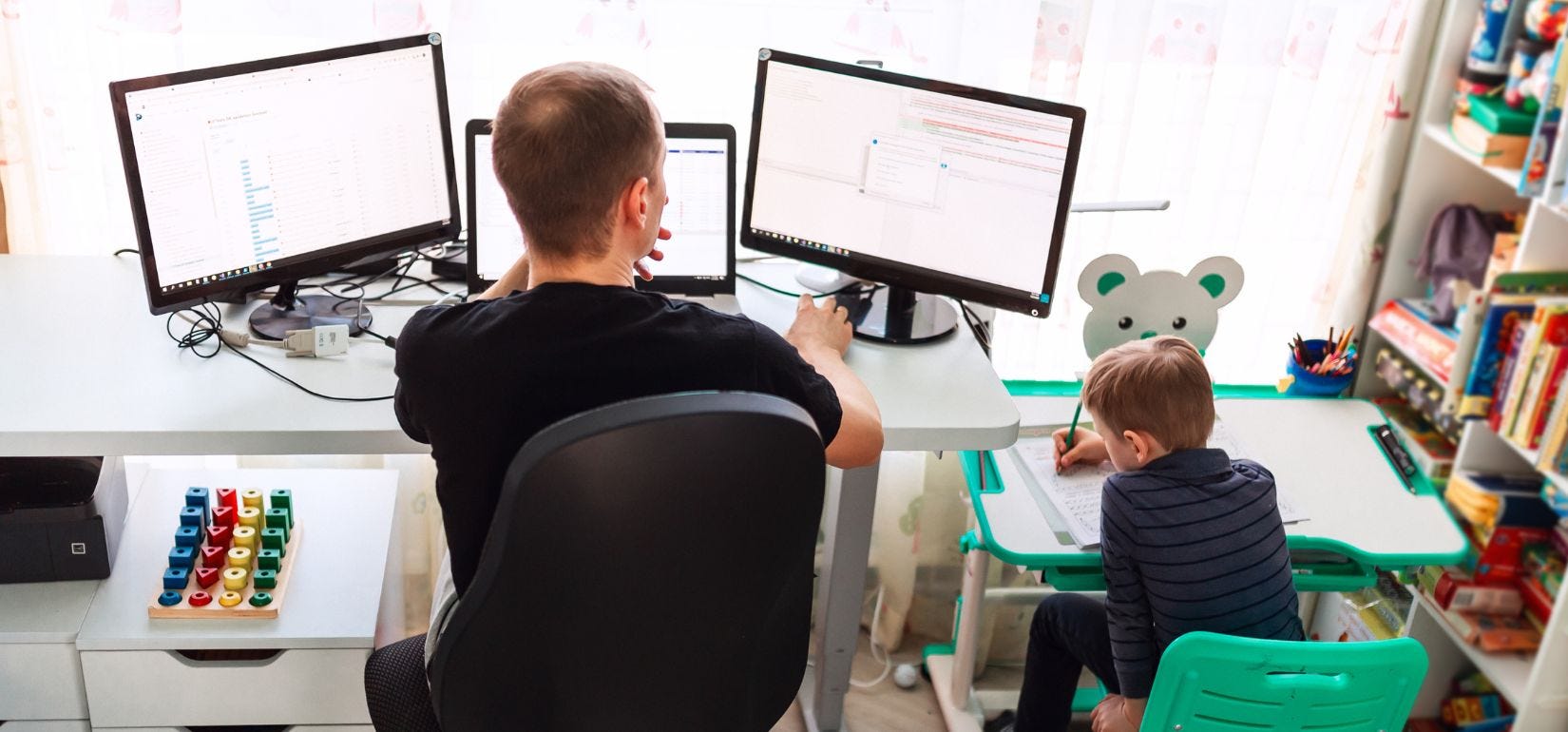
Find out how working from home can cause incontinence and how to prevent it from happening to you.

Using two incontinence products at once-- or doubling up-- isn't beneficial. Read why and see if you can get free incontinence supplies through insurance.
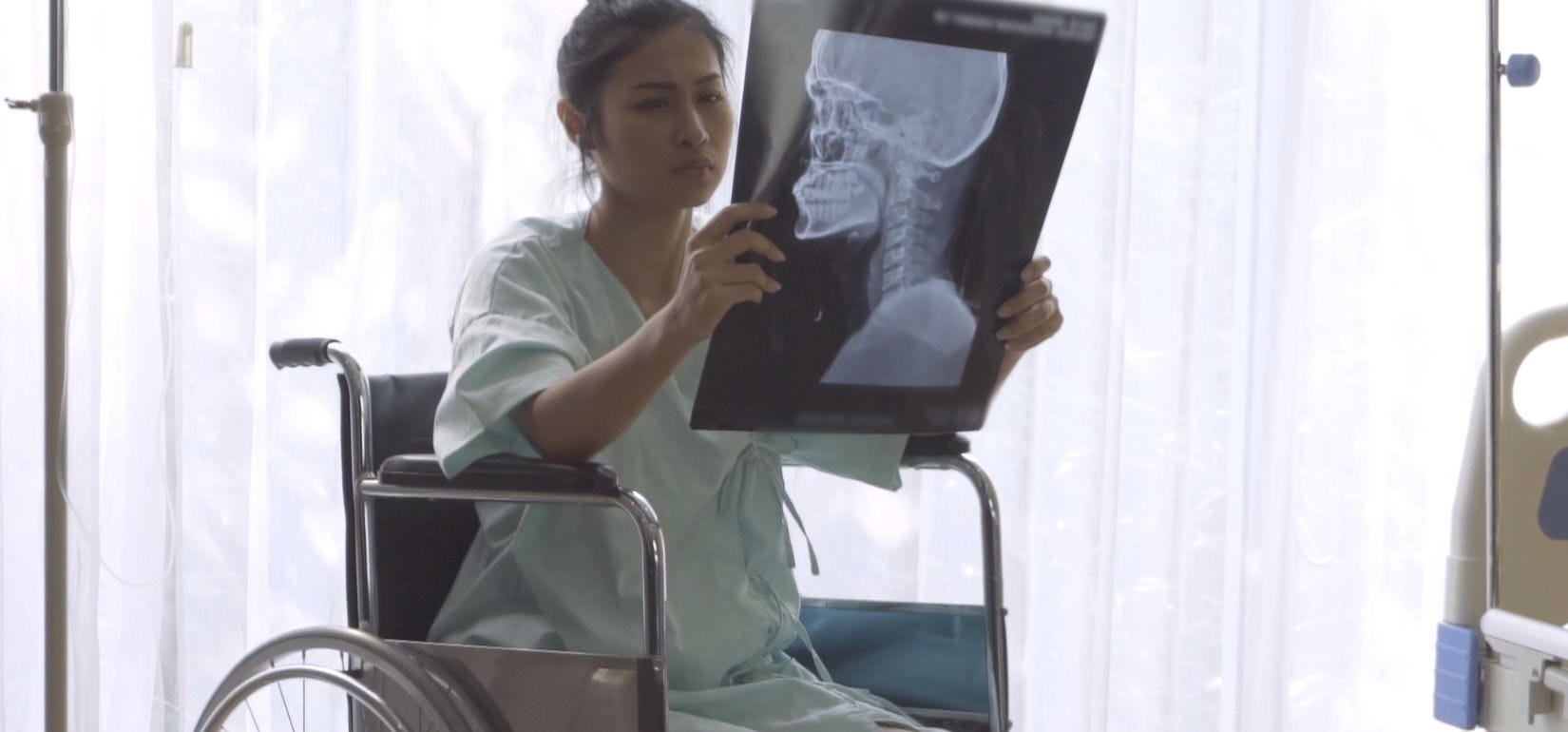
People who experience traumatic brain injuries commonly develop incontinence, but why? Learn about how these two are related.

Obesity is a risk factor for urinary incontinence, but there are steps you can take to prevent it from developing. Read this article to learn how to manage your weight and urinary incontinence symptoms.

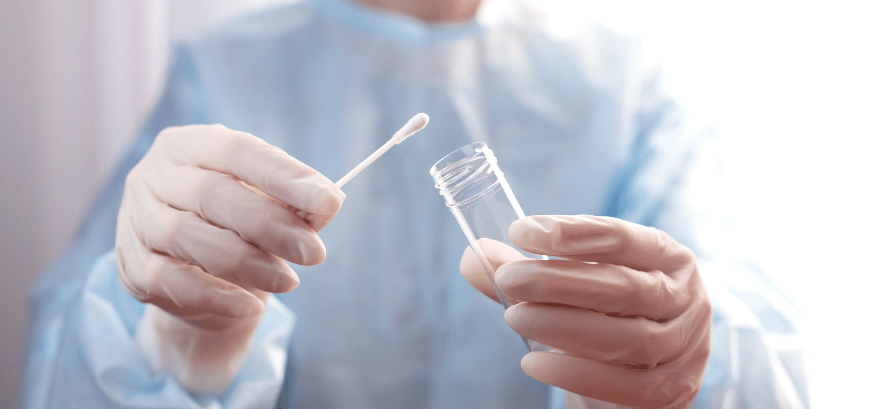
The Covid-19 Pandemic has caused many people to develop incontinence, but why? Read here to find out.
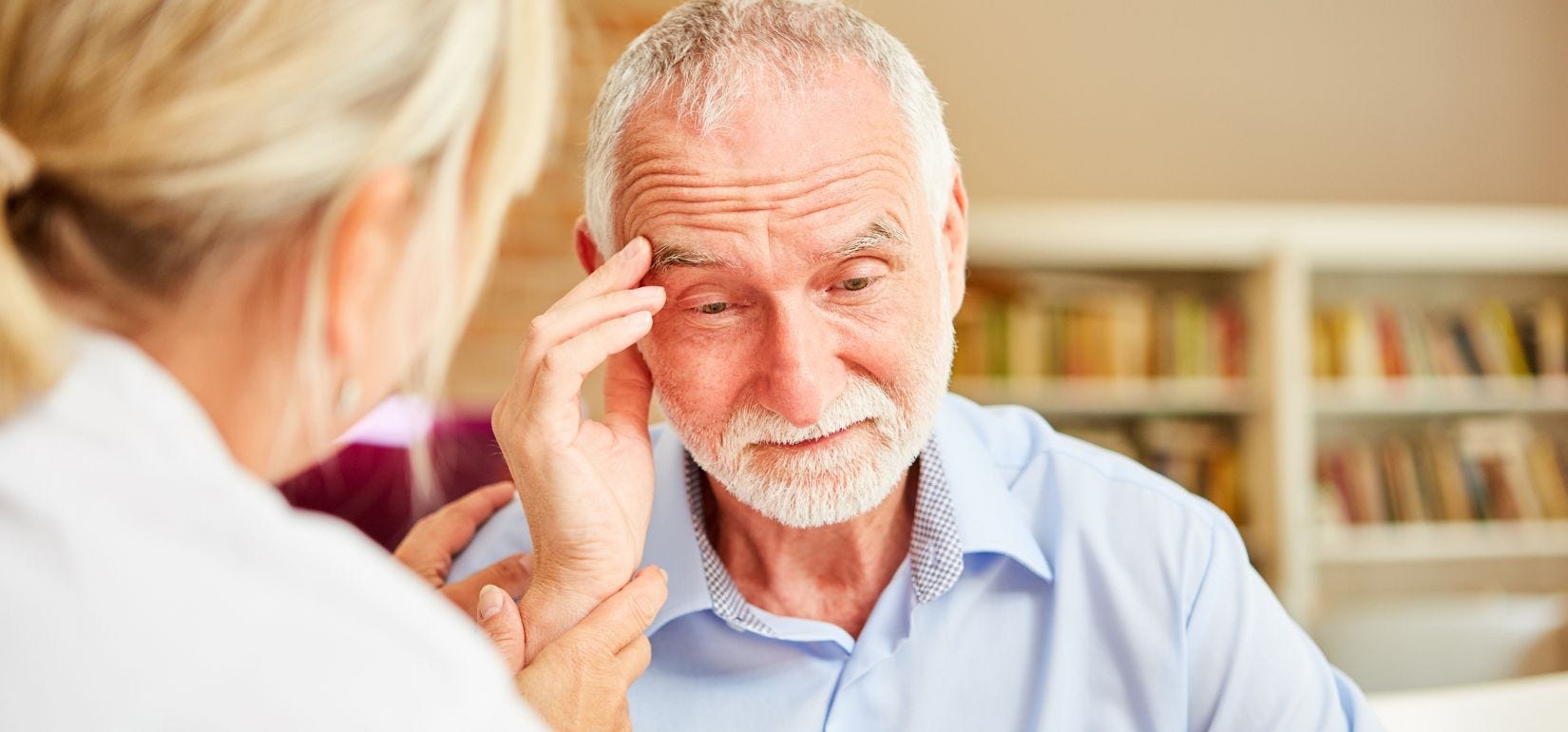
Alzheimer's disease affects two million men in the United States, and incontinence affects over 50% of those with Alzheimer's. Read this post to learn how the two are related and how to manage symptoms.

Spin bikes have been great during the pandemic, but cycling for too long can lead to pelvic floor damage and incontinence. Thankfully, there are ways to manage your incontinence symptoms and keep using your bike.

We know that incontinence symptoms can be stressful to manage, but studies are now finding that these symptoms actually cause depression, anxiety, and low self-esteem levels among women.