Postpartum Diapers: What You Need to Know
-
 By
Tiff Perritt
By
Tiff Perritt
Key Takeaways:
-
Urinary incontinence can go away on its own as inflammation and edema resolve, but recovery time varies by person.
-
If you need diapers to protect your clothes after giving birth, you may qualify for free supplies with Medicaid or insurance through Aeroflow Urology.
-
In the first week of postpartum recovery, bladder leaks can happen in as high as 50% of women. Dr. Pandya, who specializes in treating various pelvic floor disorders and urinary issues, states that while postpartum leaks are very common, “incontinence is never normal.”
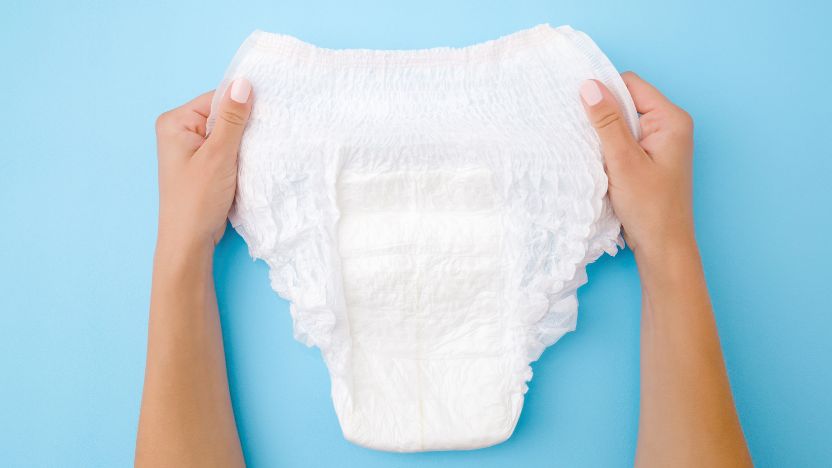
If you’re experiencing postpartum bladder leaks or bleeding, you’re not alone. As many as one in two women experience urinary leaks after giving birth.
In fact, Dr. Lopa Pandya, MD, MS, FACOG, states that while postpartum leaks are very common, “incontinence is never normal.”
Find out why postpartum incontinence happens, how to know if you need full-coverage bladder control supplies like pads or diapers, and check your coverage for $0 postpartum diapers with insurance via our secure, quick form.
Why Does Postpartum Incontinence Happen?
Not everyone has bladder leakage after giving birth, but certain factors can make them more likely.
To find out why, we asked Dr. Pandya why postpartum incontinence might happen: “When we think about this, we think about risk factors.”
The most common risk factors for experiencing bladder leaks include:
-
Giving birth vaginally rather than by cesarean section
-
Prior vaginal delivery
-
Having given birth two or more times, whether vaginally or by C-section
-
Leaking urine during pregnancy
-
Having a higher body mass index (BMI)
-
Giving birth to a baby weighing over 8.8 lbs (4kg)
Dr. Pandya also adds that there are more “rare cases where one can’t empty their bladder appropriately, and this can increase your risk of leaking urine with even small amounts of pressure on the bladder.”
Tip: Read our postpartum incontinence survey findings and discover 6 tips for managing postpartum urinary incontinence.
How to Know if You Need Postpartum Diapers
If you’ve just had a baby and you're leaking urine, the first step is to reach out to your gynecologist or healthcare provider.
Keeping an open line of communication is important not only for your overall health, but also so your provider can find the right treatment for you.
If incontinence is a concern or if it’s affecting your day-to-day activities, your doctor may prescribe supplies like postpartum diapers while you’re recovering from birth.
Plus, if you have Medicaid or insurance, you may be able to receive your supplies for free through Aeroflow Urology if you qualify. Once we verify your coverage, we’ll ship your diapers in discreet packaging directly to you each month at no cost.
Including incontinence supplies, your healthcare provider may also recommend other options, such as:
-
Lifestyle changes, such as avoiding common bladder irritants
-
Bladder control medications
-
Light pelvic floor exercises
Note: Have you been experiencing bladder leakage for more than a few months? Know that you have options. If you’re comfortable, ask your primary care provider for a referral to a urogynecologist or a pelvic floor physical therapist.
Postpartum Diapers vs. Postpartum Underwear
There are a few key differences between postpartum diapers and postpartum underwear that you need to know about.
Both are designed for postpartum care and can offer leak protection, but diapers may be better for handling heavy bleeding and incontinence.
These two products may often be referred to interchangeably, but they aren’t the same:
| Bladder Control Product | Feature | Best for | Insurance Coverage |
|---|---|---|---|
| Postpartum Diapers | Disposable | Moderate to heavy bladder leakage or overnight use | Yes, if you qualify. Diapers are commonly considered a medical product. |
| Postpartum Underwear | Reusable | Light to moderate leakage | Generally, no, as underwear may be treated as regular clothing. |
Note: Can’t decide between products? That’s okay! Reach out to your doctor — they can help point you toward insurance-covered supplies, whether you need a product that’s made for sensitive skin or high-waisted support for maximum protection.
What Are the Benefits of Wearing Postpartum Diapers?
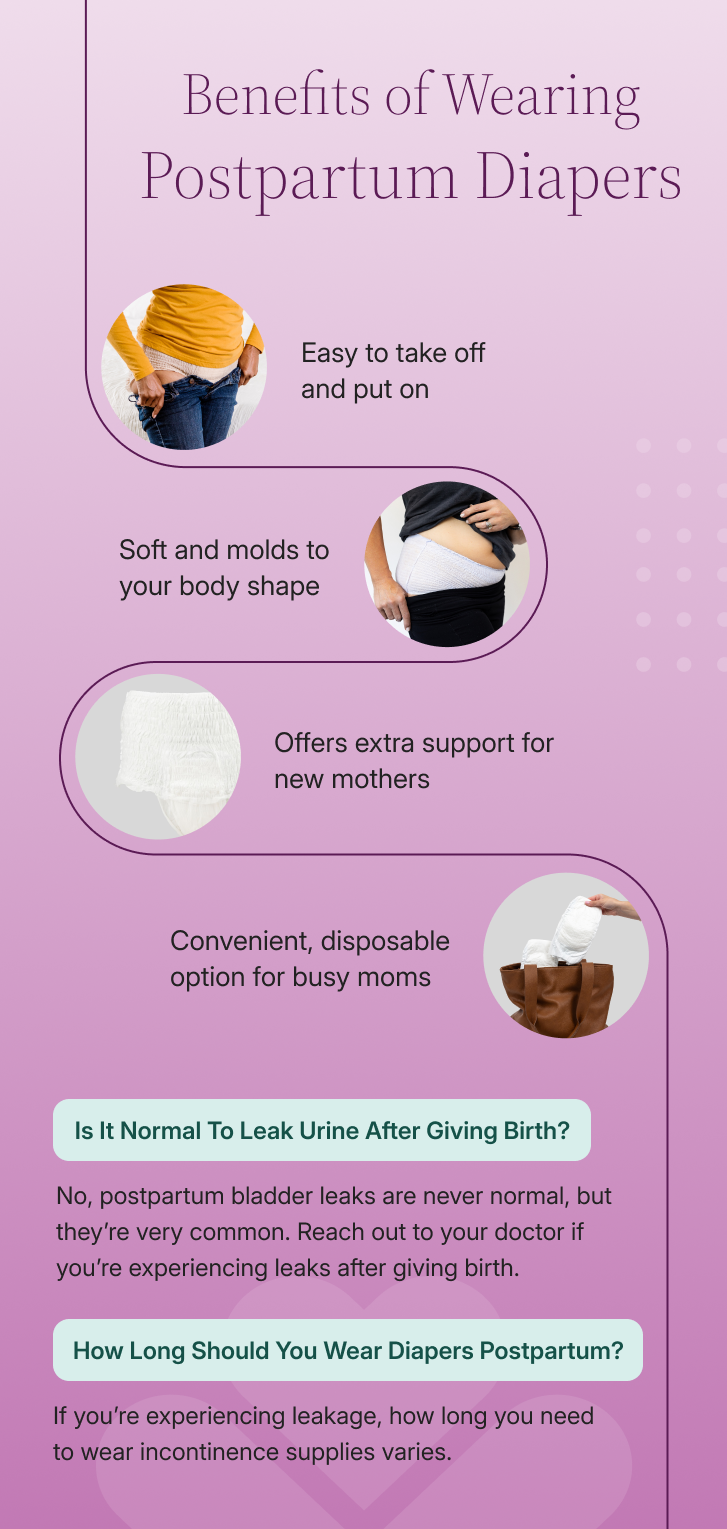
If you’re postpartum, your body may need support from bladder control supplies like diapers, which you pull on to your legs.
Diapers are different from disposable or reusable postpartum underwear, as they’re:
-
Easy to take off and put on
-
Offer extra support when you need it
-
Convenient, disposable option for busy moms
-
Soft, breathable, and molds to your body shape
Check Your Coverage for $0 Diapers With Insurance
Whether you’re experiencing a few drops of urine leakage or heavy bladder leaks, your incontinence can be managed.
If you’re not sure how to start communicating with your healthcare provider about your leaks, we’re here to support you. Learn how to schedule an appointment for incontinence.
Dr. Pandya offers insight: “You are your best advocate! There are physicians and therapists who can help treat this.”
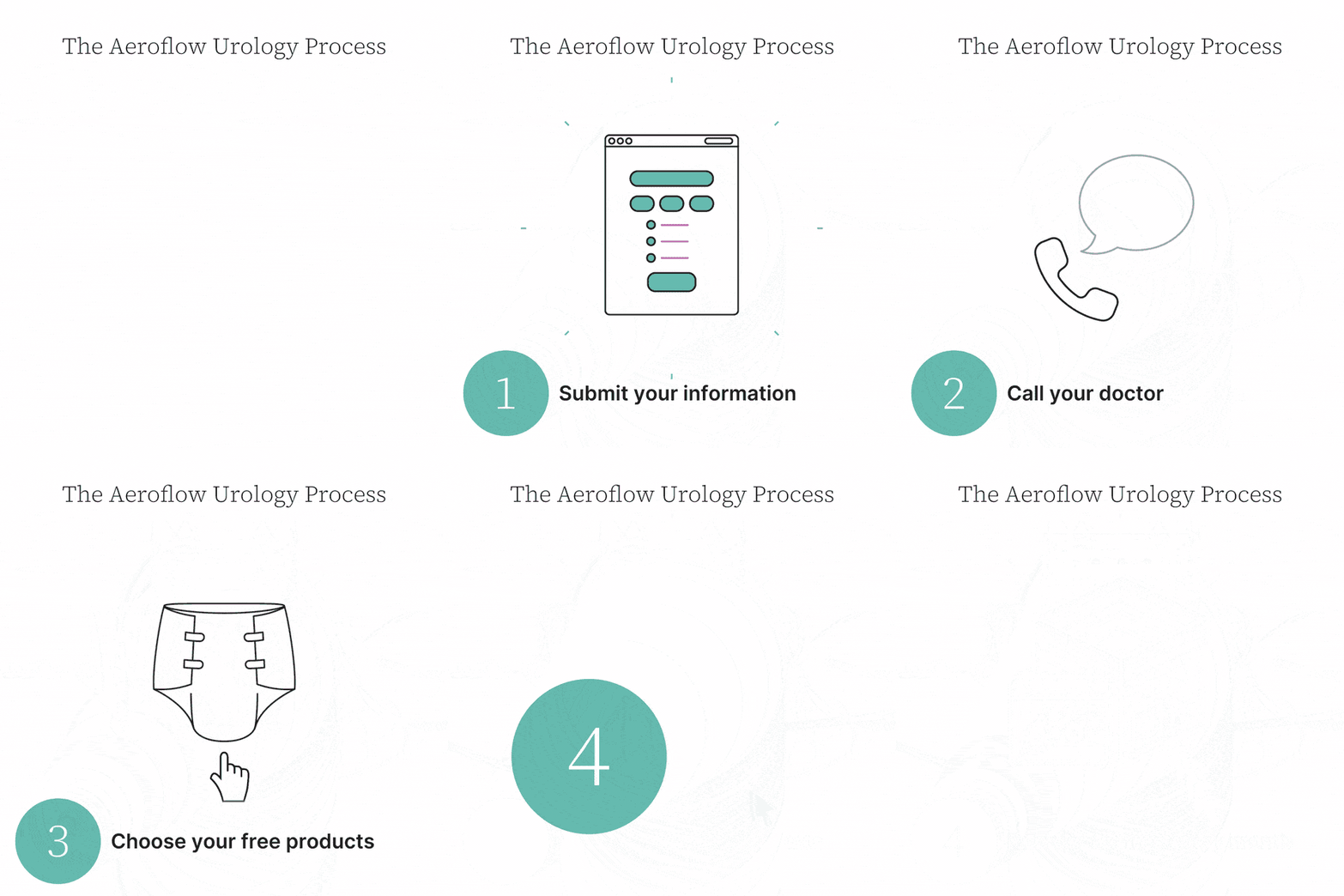
It's easy to get free supplies like diapers or pads with insurance. Submit your information, call your doctor, select your products, and we'll ship them to you monthly.
Frequently Asked Questions
What are postpartum diapers?
Postpartum diapers are disposable, single-use pull-on undergarments designed for adult women managing postpartum bladder leaks and heavy post-birth bleeding (lochia).
What are the best postpartum diapers?
The best postpartum diapers depend on your needs. If you’re experiencing heavy leakage or postpartum bleeding, you may need diapers that are best for maximum or overnight coverage. Check to see if you qualify for $0 diaper brands like Prevail, Tranquility, or TENA with insurance through Aeroflow Urology.
Can I get free adult diapers postpartum?
Yes, you can get free postpartum diapers in some cases, such as through Medicaid or insurance. You can check whether you qualify for $0 diapers through Aeroflow Urology by filling out our quick, secure qualification form.
Can childbirth lead to fecal incontinence?
Yes, childbirth can lead to fecal incontinence, likely due to tears to the anal sphincter complex.
Can you leak urine after a C-section?
Yes, you can leak urine following a cesarean section. However, it’s more likely to leak urine after a vaginal birth than a C-section.
Is it normal to leak urine after giving birth?
Leaking urine postpartum is very common, but it is never normal. The rate of urinary incontinence in postpartum women can be as high as 50%. However, after about 6-12 weeks, incontinence can improve.
How long should you wear diapers postpartum?
If you’re postpartum and have been advised to wear incontinence supplies like diapers, the amount of time you need to wear them depends on your doctor’s recommendations. Incontinence typically improves during the postpartum period.
Medical Advisor, Lopa Pandya, MD, MS, FACOG

Dr. Lopa Pandya, MD, MS, FACOG, is a Medical Advisor for Aeroflow Urology and a Reconstructive Pelvic Surgeon in the Department of Obstetrics & Gynecology at UI Health. Dr. Pandya completed a fellowship in Female Pelvic Medicine and Reconstructive Surgery and specializes in treating various pelvic floor disorders, urinary issues, and pelvic organ prolapse. Her clinical interests include minimally invasive surgery, robotic surgery, surgical outcomes, and finding ways to improve patients' quality of life.
She is the Vice Chair of the Public Education Committee for the American Urogynecologic Society as well as Director of Gynecologic Simulation in the Department of Obstetrics and Gynecology . She has published multiple articles in the field of urogynecology and pelvic reconstructive surgery.
About the Author
Tiff Perritt is the Content Writer at Aeroflow Urology. She writes with clarity and compassion on topics surrounding incontinence, aiming to help patients feel informed and supported. Driven by a strong interest in health equity, she supports efforts that promote education and access to incontinence care for underserved communities.
She earned her Bachelor's degree in Technical Communications from University of Houston - Downtown and her Associate's degree in English from Lee College. Her work has been featured by leading healthcare colleges and respected healthcare organizations across the country.
Outside of work, she loves to hike across the Texas landscape, try out new baking recipes, and spend time with her family.
References:
Moossdorff-Steinhauser, H. F. A., Berghmans, B. C. M., Spaanderman, M. E. A., & Bols, E. M. J. (2021). Prevalence, incidence and bothersomeness of urinary incontinence between 6 weeks and 1 year post-partum: A systematic review and meta-analysis. International Urogynecology Journal, 32(7), 1675–1693.
UMass Memorial Health. (n.d.). Understanding fecal incontinence after pregnancy (postpartum).
Vogel J, Jung J, Lavin T. (2023, December 6). Neglected medium-term and long-term consequences of labour and childbirth: a systematic analysis of the burden, recommended practices, and a way forward. The Lancet Global Health; 12, e317-e330.