Postpartum Diapers: What You Need to Know
, by Tiff Perritt .
#html-body [data-pb-style=Y3AG7HM]{justify-content:flex-start;display:flex;flex-direction:column;background-position:left top;background-size:cover;background-repeat:no-repeat;background-attachment:scroll;margin:0;padding:0}This content was last medically reviewed on Oct 6, 2026 by Lopa Pandya, MD, MS, FACOG
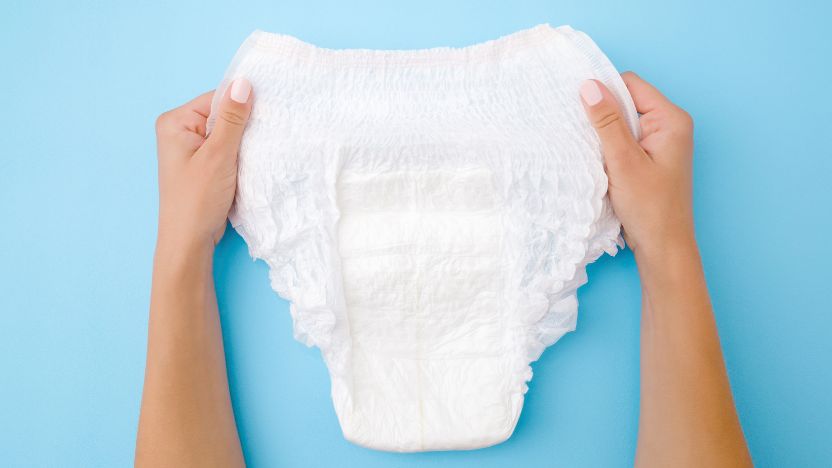
Do you need to wear postpartum diapers? Find out what they are, how many you need, and learn how they help protect your clothes from postpartum bladder leaks.
You're Not Alone: Survey Shows New Mothers Aren't Well-Prepared for Postpartum Incontinence
, by Marlee Septak .
#html-body [data-pb-style=IXFJRV3]{justify-content:flex-start;display:flex;flex-direction:column;background-position:left top;background-size:cover;background-repeat:no-repeat;background-attachment:scroll;margin:0;padding:0}
#html-body [data-pb-style=Q7AFSQP]{justify-content:flex-start;display:flex;flex-direction:column;background-position:left top;background-size:cover;background-repeat:no-repeat;background-attachment:scroll;margin:0;padding:0}This content was last medically reviewed on Feb 5, 2025 by Aleece Fosnight, MSPAS, PA-C, CSC-S, CSE, NCMP, IF, HAES.
#html-body [data-pb-style=MJX8B0O]{justify-content:flex-start;display:flex;flex-direction:column;background-position:left top;background-size:cover;background-repeat:no-repeat;background-attachment:scroll;margin:0;padding:0}
If you're a new mom experiencing postpartum incontinence, you're not alone! It's extremely common and there are many treatments you can do at home or with a specialist to help manage your symptoms.
Why Urinary Incontinence in Women Is On The Rise
, by Aleece Fosnight .
#html-body [data-pb-style=QKR1P3H]{justify-content:flex-start;display:flex;flex-direction:column;background-position:left top;background-size:cover;background-repeat:no-repeat;background-attachment:scroll;margin:0;padding:0}
#html-body [data-pb-style=SCCVQ86]{justify-content:flex-start;display:flex;flex-direction:column;background-position:left top;background-size:cover;background-repeat:no-repeat;background-attachment:scroll;margin:0;padding:0}This content has been medically reviewed by Aleece Fosnight, MSPAS, PA-C, CSC-S, CSE, NCMP, IF, HAES.
Urinary incontinence can be caused by factors such as nerve damage, medications, pelvic injuries, obesity, and urinary tract infections (UTIs). However, two factors that contribute specifically to the rise in incontinence in women include pregnancy and menopause.

 By
Tiff Perritt