Continence Care After a Brain Injury


People who experience traumatic brain injuries commonly develop incontinence, but why? Learn about how these two are related.
People who experience traumatic brain injuries commonly develop incontinence, but why? Learn about how these two are related.

Hanna, mother of Nehemiah, a child with Spina bifida, shares their family's story about living with Spina bifida and Dr. Samantha Eaker gives the best incontinence care tips for people with Spina bifida.

Obesity is a risk factor for urinary incontinence, but there are steps you can take to prevent it from developing. Read this article to learn how to manage your weight and urinary incontinence symptoms.

Read what's known about the correlation between CKD and incontinence.
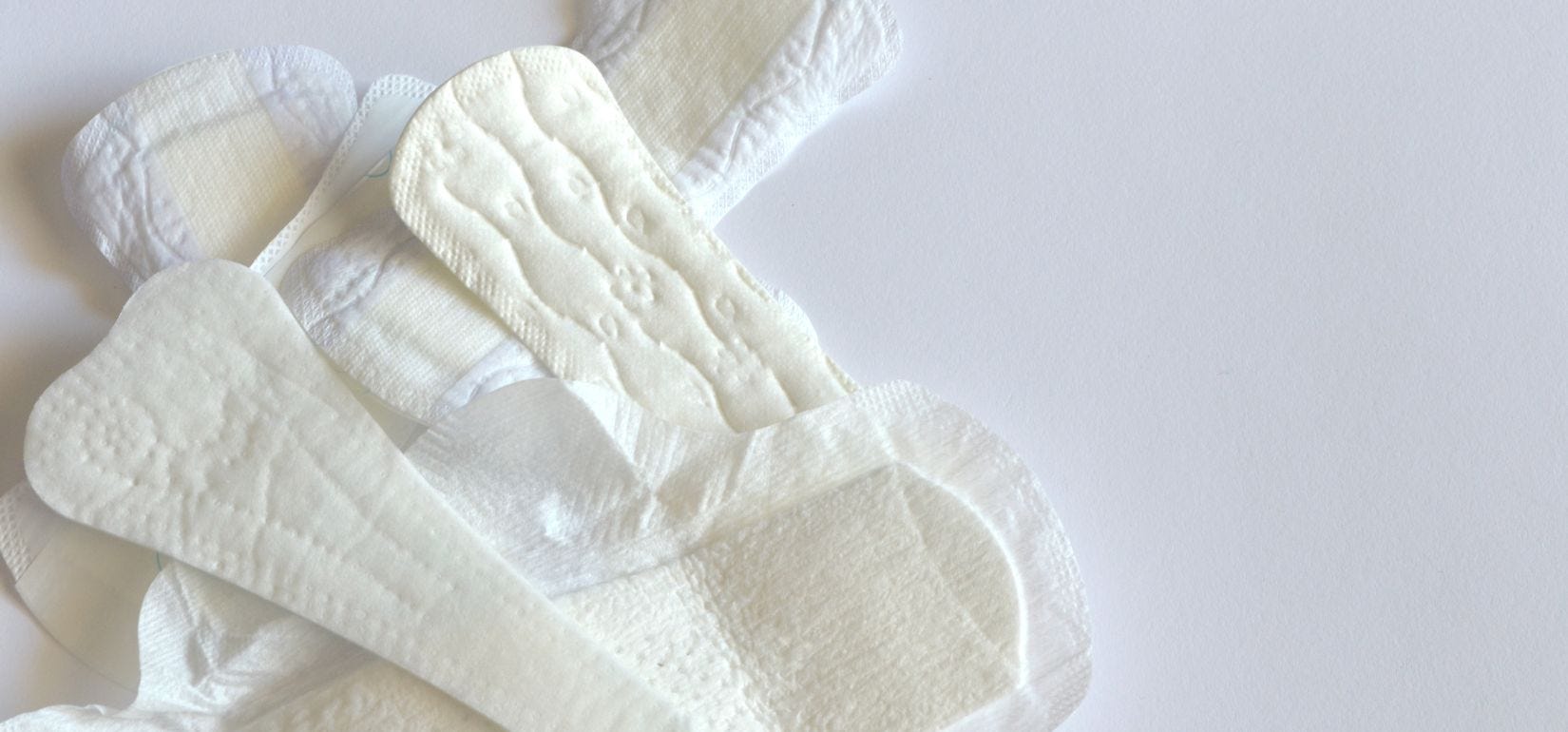
Incontinence pads crash course! Learn all about these pads and figure out which will be best for your level of incontinence.

Find out which top male incontinence product is best for your lifestyle and see if you can get the products free through insurance.

Over 20 million American adults experience urinary incontinence and while it's common, it's not normal.

The Covid-19 Pandemic has caused many people to develop incontinence, but why? Read here to find out.

Alzheimer's disease affects two million men in the United States, and incontinence affects over 50% of those with Alzheimer's. Read this post to learn how the two are related and how to manage symptoms.

Spin bikes have been great during the pandemic, but cycling for too long can lead to pelvic floor damage and incontinence. Thankfully, there are ways to manage your incontinence symptoms and keep using your bike.