Marlee was the Senior Content Specialist at Aeroflow Urology from 2022 to 2025. She brought a deep understanding of incontinence and health conditions associated with it to her writing. She thrived on collaborating with organizations dedicated to improving the world, such as the Awareness Film Festival and The Borgen Project.
A graduate of Columbia College Chicago with a Bachelor's degree in Journalism, Marlee actively contributed to various publications, including Borgen Magazine, Echo Magazine, Assuaged, Inc., and Chicago Ideas Week. Her work demonstrated a keen awareness of health issues, particularly those related to incontinence.
Waking up cold and wet in the middle of the night is never fun. It can be confusing and cause us to have low self-esteem at times. If you wonder why you experience bedwetting (nocturnal enuresis) or why your child does, read this article to gain insight into the psychological causes behind it and what you can do to have more dry nights.
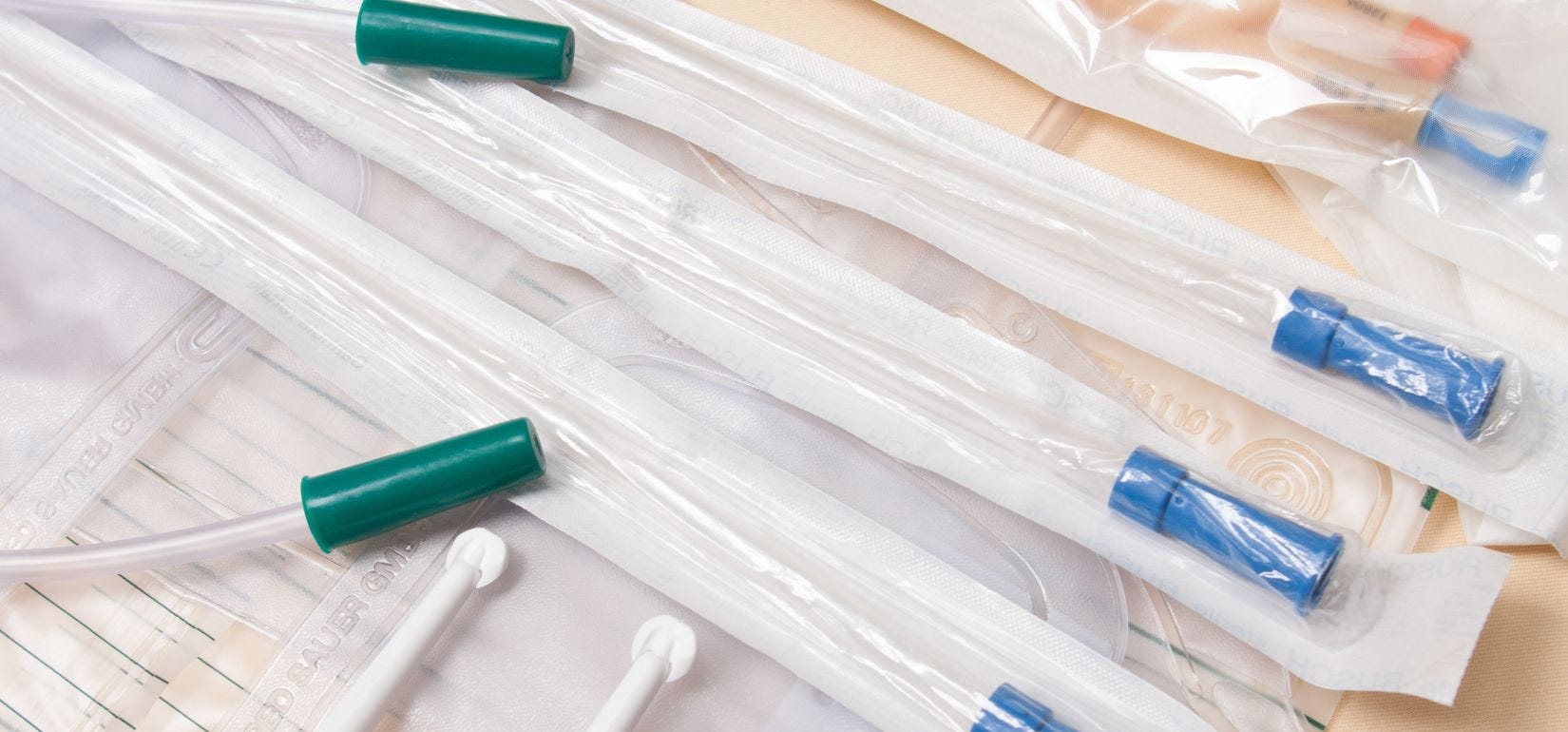
Learn how to wear a catheter comfortably and make self-catheterization a pain-free experience. Plus, find out how to save on catheter supplies with insurance.
Learn about pelvic organ prolapse, including causes, symptoms, and treatment options. Discover how to manage prolapse with lifestyle changes and find relief from this common condition.
Can cervical cancer and its treatments cause incontinence? Learn about the link between cervical cancer, bladder problems and how to manage incontinence with free bladder control supplies after treatment.
To be approved for incontinence supplies under Idaho Medicaid you must have the following items. An Aeroflow Urology Specialist will help you gather all of this necessary information. Documented proof within the last six months that the items are considered medically necessary by a physician, the medical reason for needing supplies, and the estimated amount of supplies needed per day.
To be approved for incontinence supplies under Minnesota Medicaid you must have the following items. An Aeroflow Urology Specialist will help you gather all of this necessary information. Documented proof within the last six months that the items are considered medically necessary by a physician, the medical reason for needing supplies, and the estimated amount of supplies needed per day.
Mississippi currently provides incontinence products for both children and adults as one of the medically necessary items under its Medicaid coverage. Under Mississippi Medicaid individuals, and their loved ones, may qualify to receive a combination of pull-ons (protective underwear), briefs (adult diapers), disposable underpads, bladder control pads (Poise pads), catheters, and gloves.