What Are the Effects of Microplastics on Bladder Health?
-
 By
Tiff Perritt
By
Tiff Perritt
Key Takeaways:
-
Microplastics have now been found in food, drinking water, and human biological samples, including urine and stool.
-
Multiple studies call for further research to better understand the impact of microplastics on the bladder and urinary system.
-
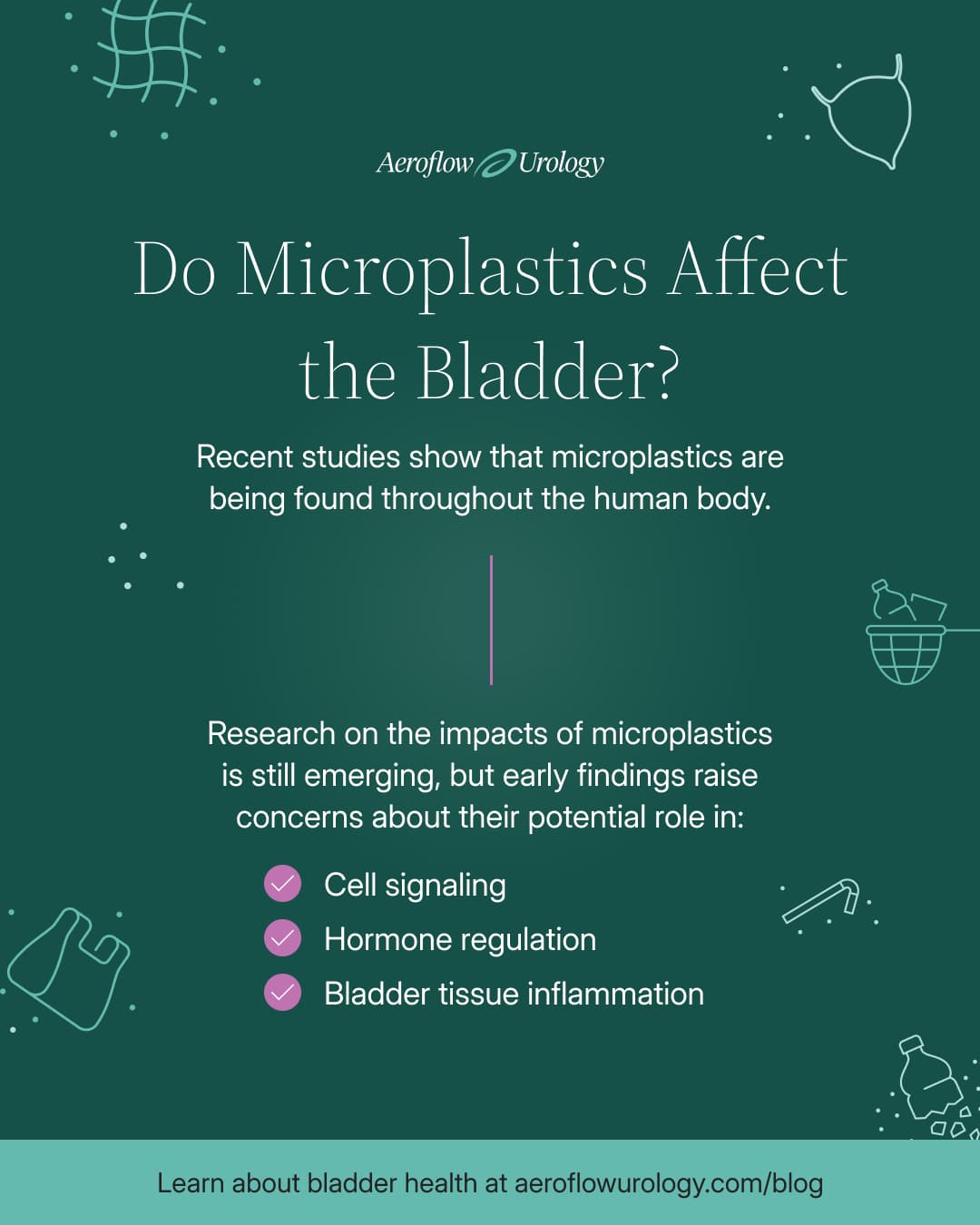
Emerging data on microplastics and nanoplastics (MNPs) suggest that MNPs may increase inflammation, damage cells, and disrupt cell signaling, raising concerns about bladder cancer, chronic kidney disease, chronic urinary tract infections (UTIs), and incontinence.

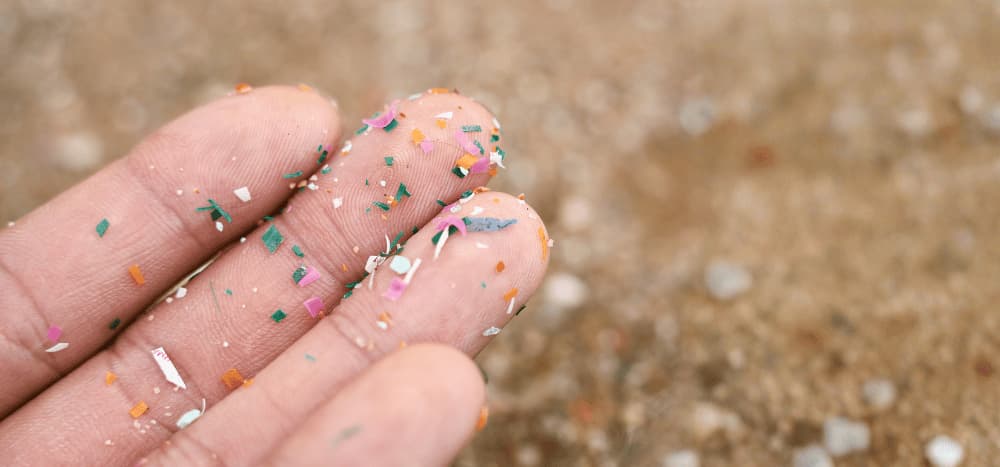
Microplastics have made their way into the human body, including the urinary system. But what do the effects of microplastics mean for bladder health?
Right now, the research is still in its early stages.
However, what researchers have found is that microplastics and nanoplastics may induce inflammation and disrupt cell signaling. A direct link between microplastics and bladder conditions has not been proven, but the World Health Organization (WHO) is calling for more research.
What Are Microplastics?
Microplastics are tiny pieces of plastic, typically measuring up to five millimeters long. They can come from a variety of products breaking down over time, such as water bottles, food packaging, clothing, and tires.
Nanoplastics — which are 100 times smaller than the diameter of a human hair — are a much smaller form of microplastics, and may move more easily through human tissues.
These particles can end up in water, food, air, and the human body.
Are Microplastics Harmful to the Bladder?
Potentially.
In a 2022 report, the World Health Organization published its findings about the overall effects of microplastics, stating that there was not enough evidence to “determine risks to human health.”
“We have enough research to say that microplastics can reach the urinary system and cause inflammation or tissue stress,” says Aleece Fosnight, MSPAS, PA-C, CSC-S, CSE, IF, MSCP, HAES. “For bladder-related research specifically, there are some concerns around urinary tract dysfunction; however, there is no strong human evidence that proves everyday exposure directly causes bladder disease.”
With microplastics and bladder health, Fosnight suggests being “mindful of your daily exposures to microplastics and reduce unnecessary exposure when possible.”
More healthcare professionals specializing in urology, such as Dr. Jason Carter, are speaking out.
Carter suggests that “Since the kidneys filter our blood and the bladder stores urine, it’s reasonable to think the urinary system could be exposed to these particles or the chemicals they carry.” He goes on to state that “We don’t have definitive evidence that microplastics directly cause bladder disease, but there’s enough concern that they’re worth paying attention to as the research evolves.”
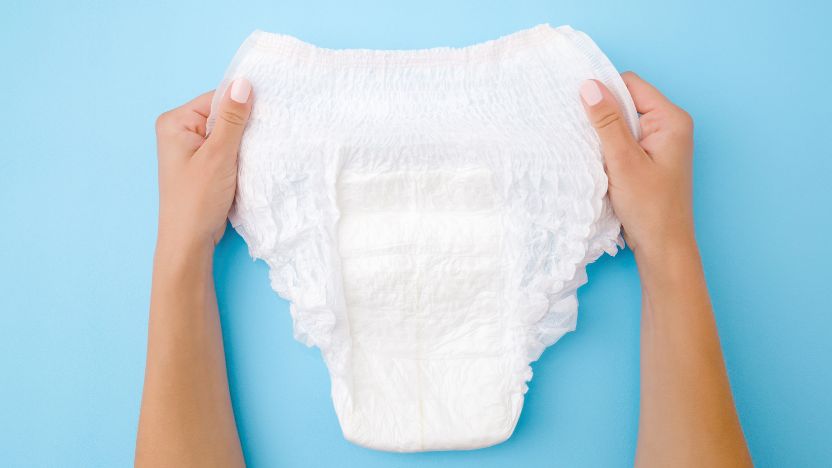
Check your coverage for insurance-covered bladder control pads or protective underwear!
Can Microplastics Lead to Urinary Incontinence?
Right now, there isn’t enough evidence to say that microplastics cause urinary incontinence, which is known as the loss of bladder control. However, researchers are watching this area closely.
A 2024 scoping review published in the Journal of Exposure Science & Environmental Epidemiology listed incontinence as a possible public health concern.
Several articles from this review cited that microplastics and nanoplastics have been shown to:
-
Increase inflammation.
-
Lead to cellular toxicity.
-
Disrupt normal physiological processes.
Your Urinary System & Microplastics
How exactly do microplastics travel to your bladder? Plus, how does your urinary system work?
To answer these questions, we have to begin with the main parts that make up your urinary system, which include your:
-
Kidneys: Filter blood to remove waste and excess water, producing urine.
-
Ureters: Ducts that connect your kidneys to your bladder.
-
Bladder: Stores urine.
-
Urethra: A tube that allows urine to leave your body.
Microplastics can enter your body when you swallow them in food or water, or when you breathe them in from the air. Some of the smallest particles may pass into your bloodstream, where your kidneys can filter some of them into urine.
While microplastics are in your urinary system, they may interfere with your hormones. However, these effects still warrant additional research.
“Detecting microplastics does not automatically mean they are causing harm,” says Fosnight.
There isn’t enough evidence to definitively state that microplastics can cause specific bladder symptoms, but if they contribute to inflammation, they could make existing bladder conditions worse.
What to Do If You’re Concerned About Bladder Health
Research around microplastics and bladder health is still growing, and there isn’t enough evidence to say that they can directly cause bladder conditions.
However, it’s still important to pay attention to your bladder health.
You can support your bladder by:
-
Being aware of common bladder irritants, such as caffeine and spicy foods.
-
Drinking enough water to avoid dehydration, which can cause urinary tract infections. Being dehydrated can also make your urine more concentrated, which may lead to irritation.
-
Try to avoid constipation. Being constipated can put pressure on your bladder and make it more difficult to empty your bladder completely, leading to urinary urgency.
-
Knowing your medications. They may be causing bladder leaks.
Symptoms like leaking urine, a sudden need to pee, or feeling like you have to go to the bathroom more often than usual shouldn’t be ignored. If you experience any of these symptoms, reach out to your doctor.
They can help you identify the cause of your symptoms, recommend treatment options, and, if you have bladder leaks, prescribe insurance-covered incontinence supplies.
Frequently Asked Questions
How do microplastics enter the body?
Microplastics can enter the body through food, water, and air. Some of these particles can break down into smaller fragments, which may be harder to detect in the human body.
How long do microplastics stay in your body?
This remains unclear. According to an article from Stanford Medicine, “scientists don’t yet know how long microplastics stay in the body.”
Why are microplastics being found in urine?
People are being exposed to microplastics in daily life through objects such as water bottles and food packaging. Particles from these materials may enter the body and may pass through the bladder. Researchers are still studying how much reaches the urinary system and what that may mean for bladder health.
How can you avoid microplastics?
You can’t avoid microplastics completely, but you can lower your exposure by avoiding heating food in plastic containers and cutting back on single-use plastics. Also, try carrying a reusable stainless steel or glass water bottle instead of relying on single-use plastic.
Do tea bags have microplastics?
Yes, some plastic tea bags may contain microplastics. Plastic tea bags may release very small plastic particles into hot water. A 2025 review reported that microplastics may be present in all types of tea-based drinks.
Does gum have microplastics?
Yes, some gum may contain and release microplastics.
Should you get tested for microplastics?
Usually, no. Testing for microplastics is still a developing area, and experts don’t yet fully understand what those results could mean for your health.
About the Author
Tiff Perritt is the Content Writer at Aeroflow Urology. She writes with clarity and compassion on topics surrounding incontinence, aiming to help patients feel informed and supported. Driven by a strong interest in health equity, she supports efforts that promote education and access to incontinence care for underserved communities.
She earned her Bachelor's degree in Technical Communications from University of Houston - Downtown and her Associate's degree in English from Lee College. Her work has been featured by leading healthcare colleges and respected healthcare organizations across the country.
Outside of work, she loves to hike across the Texas landscape, try out new baking recipes, and spend time with her family.
Aleece Fosnight

Aleece Fosnight, MSPAS, PA-C, CSC-S, CSE, NCMP, IF, HAES is a board-certified physician assistant specializing in sexual medicine, women’s health, and urology.
In 2019, Fosnight opened up her own private practice, the Fosnight Center for Sexual Health, and implemented the sexual health grand rounds curriculum at her local hospital and residency program.
Fosnight is also the founder of the Fosnight Foundation, a non-profit organization dedicated to the education and training of professionals in the sexual health field and providing funding for access to healthcare services in her local community.
References
Jaafarzadeh Haghighi Fard, N., Jahedi, F., & Turner, A. (2025). Microplastics and nanoplastics in tea: Sources, characteristics and potential impacts. Food Chemistry, 466, 142111.
Lee, Y., Cho, J., Sohn, J., & Kim, C. (2023). Health effects of microplastic exposures: Current issues and perspectives in South Korea. Yonsei Medical Journal, 64(5), 301–308.
Rotchell, J. M., Austin, C., Chapman, E., Atherall, C. A., Liddle, C. R., Dunstan, T. S., Blackburn, B., Mead, A., Filart, K., Beeby, E., Cunningham, K., Allen, J., Draper, H., & Guinn, B.-A. (2024). Microplastics in human urine: Characterisation using μFTIR and sampling challenges using healthy donors and endometriosis participants. Ecotoxicology and Environmental Safety, 274, 116208.
Savchuk, K. (2025, January 29). Microplastics and our health: What the science says. Stanford Medicine.
The Urology Foundation. (n.d.). How your urinary system works.
U.S. Environmental Protection Agency. (2026, March 19). Microplastics research.
UK Health Security Agency. (2025, March 12). Nanoplastics are everywhere: What is the health impact of these tiny particles? UK Health Security Agency blog.
Disclaimer
Information provided on the Aeroflow Urology blog is not intended as a substitute for medical advice or care from a healthcare professional. Aeroflow recommends consulting your healthcare provider if you are experiencing medical issues relating to incontinence.