Why Do I Pee When I Sneeze? Stress Incontinence Treatments

Key Takeaways:
-
Stress urinary incontinence (SUI) is the most common type of urinary incontinence. It affects twice as many women as men, with about 1 in 3 women experiencing these leaks.
-
With stress incontinence, you leak urine when something puts pressure on your bladder or urethra, such as sneezing, laughing, or coughing.
-
Research shows that pharmacological (medication) therapies alone are generally less effective than behavioral therapies.

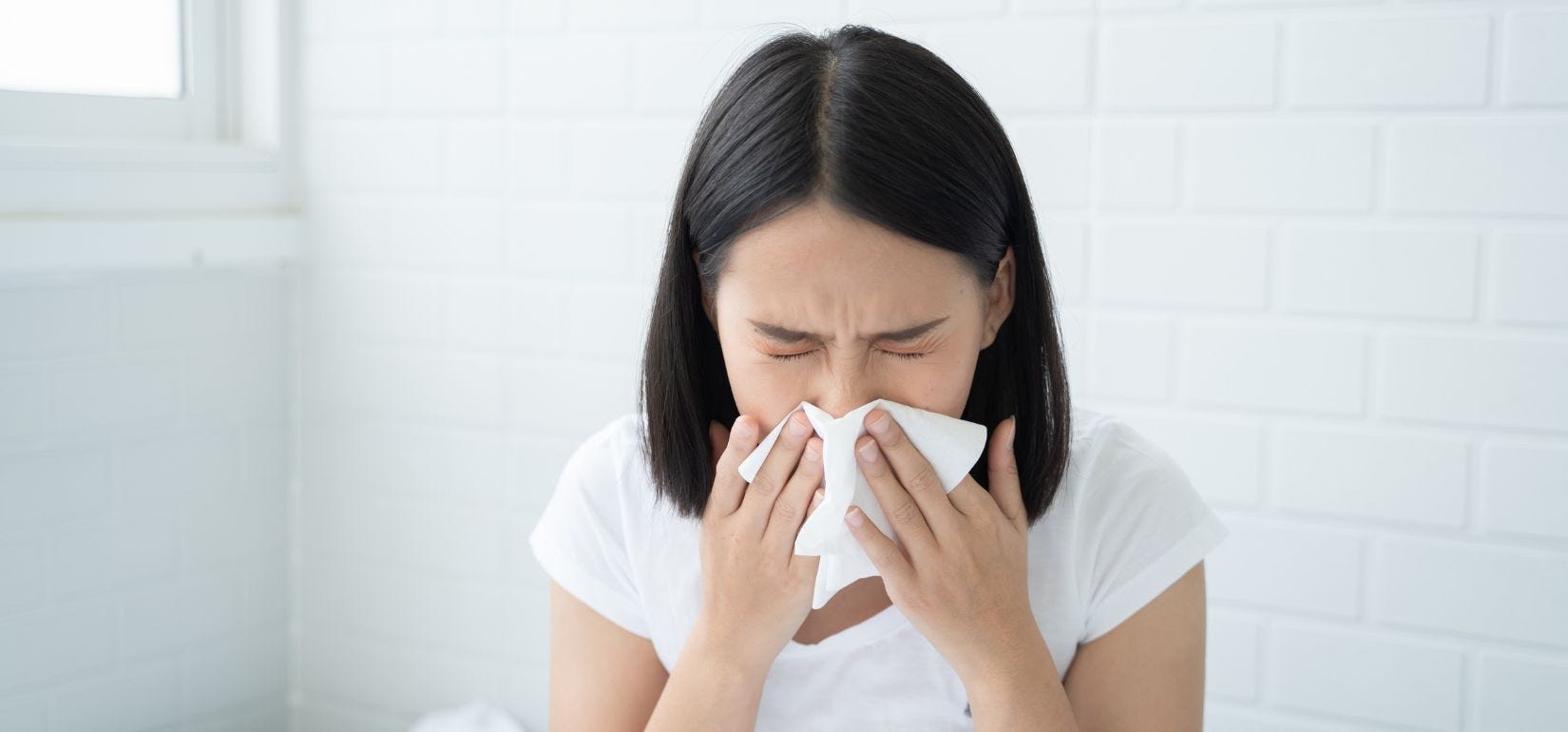
Do you pee when you sneeze, cough, laugh, or exercise? You may be experiencing stress urinary incontinence. Here, “stress” means physical pressure on your bladder.
If you want better bladder control, you can try some steps at home first. However, if leaks continue, your doctor can confirm a diagnosis and build a treatment plan.
Keep reading to learn why you may be peeing when you sneeze or cough, and what you can do to manage your symptoms.
What Is Stress Incontinence?
Urinary incontinence is when you lose bladder control. Stress incontinence is a type of urinary incontinence where you leak urine when there’s physical pressure on your bladder and urethra.
That pressure can occur from everyday actions such as coughing, sneezing, or laughing.
Here’s what happens in your body: Your pelvic floor muscles and tissues support your bladder and urethra. The urethral sphincter muscles control urine flow by tightening to hold urine in and relaxing when you need to pee.
With stress urinary incontinence, the muscles and tissues that support and close the urethra may not engage quickly enough when there’s sudden pressure, which can lead to urine leakage.
You may also pee when:
-
Bending over.
-
Exercising, including running.
-
Pushing or pulling something heavy.
-
Making a sudden movement.
-
Having sex.
-
Blowing your nose.
Leaks can be as little as a few drops or enough to soak through your underwear, especially if your bladder is already full.
Experiencing bladder leaks? Check your coverage for $0 supplies!
Is It Normal to Pee When I Sneeze?
It can happen quickly and without much warning.
Maybe you’re getting over a cold or your allergies are flaring up, when suddenly you’re wondering, “Why do I pee when I sneeze?”
The good news is that peeing when you sneeze is common if you’ve been diagnosed with stress urinary incontinence. However, this also means that your pelvic floor and bladder system may need a bit of extra help.
If leaks are affecting your workouts, your social plans, or your confidence, talk to your doctor.
What Causes It?
Stress urinary incontinence usually starts when the muscles and tissues that support your bladder and urethra lose strength.
It can be caused by:
-
Pregnancy: Pregnancy can stretch the pelvic floor, which can cause the muscles supporting the bladder to lose strength.
-
Childbirth: Both vaginal birth and C-section can affect bladder control. If you have a vaginal delivery, you may be more likely to experience stress incontinence or have symptoms that last longer, but having a C-section does not mean that you will not have stress incontinence. Some people notice leaking soon after giving birth, while others do not have symptoms until much later.
-
Injury: Lower back or pelvic injuries can affect nerves and muscle support.
-
Hysterectomy: Surgery to remove the uterus can change pelvic support, which may lead to leaks.
-
Prostate Surgery: After prostate surgery, some men leak because the muscles and nerves that help keep the urethra closed may be affected.
-
Age: Muscles can lose strength over time.
-
Weight: Carrying extra weight can put steady pressure on your pelvic muscles.
-
Chronic Coughing: Coughing and sneezing put extra pressure on your bladder, which can trigger leaks. This can be common if you smoke or have a condition such as chronic obstructive pulmonary disease (COPD).
How Is It Treated?
Most care plans start with simple steps, such as at-home changes and pelvic floor exercises.
If leaks continue, your doctor may suggest using support devices or trying treatments at the clinic. Doctors usually only consider surgery if other treatments have not worked well enough.
Schedule a visit with your healthcare provider if leaks happen often, get worse, or begin to affect your daily life.
See them sooner if you have pain, blood in your urine, frequent urinary tract infections, or trouble emptying your bladder. Even mild symptoms matter, because early treatment can help.
Keep reading to learn about the most common treatment options, beginning with the simplest and moving to more advanced ones.
At-Home Treatments
To start treating stress urinary incontinence at home, you can take a few simple steps. These may help lower your chances of leaks and support your pelvic floor before starting physical therapy.
Try these first:
-
Limit common bladder irritants: Try cutting back on caffeine, alcohol, and carbonated drinks if these irritate your bladder.
-
Quit smoking: Smoking can impact your bladder. Consider speaking with your doctor about quitting smoking.
-
Hydrate often: While you might want to cut back on some bladder irritants, don’t drastically reduce how much water you drink. Too little fluid can irritate your bladder.
-
Add fiber: If you experience constipation, consider adding more fiber to your diet. Constipation may lead to leaks.
-
Pick low-impact movement: Walking, swimming, or cycling may feel better than jumping or high-impact workouts if those cause leaks.
If you aren’t sure what triggers your leaks, try keeping a simple bladder diary.
Nonsurgical Medical Options
You may be able to resolve your stress incontinence without surgery. Some of the most common nonsurgical treatments your healthcare provider might recommend include:
-
Performing pelvic floor exercises (Kegels): Men and women can do Kegels to help strengthen pelvic floor muscles. However, visit a pelvic floor therapist to ensure you are performing Kegels correctly.
-
Using a vaginal pessary: A pessary is a device placed in the vagina to help support the bladder.
-
Biofeedback: With biofeedback, you learn how your body works in response to stress and movement so you can better control your pelvic floor muscles. A physical therapist may include it in your treatment.
-
Estrogen creams: For women during the menopause transition, estrogen cream may help support the tissues and muscles around the vagina and urethra.
-
Wearing bladder control supplies: Pads, protective underwear, and other incontinence supplies can help you confidently manage leaks.
Check your coverage for free bladder control pads or protective underwear!
Surgical Treatment for Stress Incontinence
Surgery is usually reserved for when pelvic floor therapy and other options haven’t helped enough, and leaks are still affecting your daily life.
Your doctor may talk with you about a few surgical procedures for stress incontinence:
-
Sling procedure: A small sling is placed under the urethra to give it more support and help prevent leaks.
-
Burch colposuspension: This surgery lifts and supports the bladder neck and urethra.
-
Urethral bulking agents: These are injections that help the urethra close more tightly. They are often done in the office and may need to be repeated.
A urologist or urogynecologist can explain the benefits, risks, and recovery time of different stress incontinence surgical treatments.
How to Manage Stress Incontinence Daily
If you’re leaking pee when you cough, sneeze, or strain, you may have stress incontinence. However, the condition is highly treatable.
In fact, adding a few small, routine changes can help reduce unexpected leaks. This could mean doing Kegel exercises to strengthen your pelvic floor, cutting back on caffeine, and training your bladder by planning bathroom breaks.
Talk to your doctor to learn about which stress urinary incontinence treatment options are best for you.
Frequently Asked Questions
Is stress incontinence reversible?
Stress incontinence can improve or resolve with treatment. Many people may improve with a few daily changes, such as pelvic floor therapy. Other individuals may need support devices such as pessaries or, in some instances, surgical procedures.
Do men get stress incontinence?
Yes, men can experience stress incontinence. It’s less common in men than in women, but it can happen, most often after prostate surgery. Depending on your needs, your healthcare provider may recommend pelvic floor therapy, a male sling, or an artificial urinary sphincter.
How long does it take to see results from Kegels?
You may notice an improvement from Kegels in about 6–12 weeks if you perform them correctly. However, how quickly you see results depends on the strength of your pelvic floor muscles. A pelvic floor therapist can check your form and help you build a plan that fits your symptoms.
Can diet alone cure SUI?
Diet changes can help by reducing constipation and bladder irritation, but they usually won’t fix stress urinary incontinence on their own. Most people achieve the best results when diet changes are paired with pelvic floor strengthening and other treatments.
What type of doctor treats SUI?
Urologists and urogynecologists commonly treat stress urinary incontinence. Your primary care provider or OB-GYN can also evaluate your symptoms and refer you to a specialist if needed. Pelvic floor therapists are also often a key part of first-line treatment.
Can stress incontinence get worse?
Yes, stress incontinence can worsen, especially with ongoing triggers such as chronic coughing or weight changes. Starting treatment early can help prevent your bladder leakage from getting worse and make your symptoms easier to manage.
Aleece Fosnight

Aleece Fosnight, MSPAS, PA-C, CSC-S, CSE, NCMP, IF, HAES is a board-certified physician assistant specializing in sexual medicine, women’s health, and urology.
In 2019, Fosnight opened up her own private practice, the Fosnight Center for Sexual Health, and implemented the sexual health grand rounds curriculum at her local hospital and residency program.
Fosnight is also the founder of the Fosnight Foundation, a non-profit organization dedicated to the education and training of professionals in the sexual health field and providing funding for access to healthcare services in her local community.
References
Balk, E. M., Rofeberg, V. N., Adam, G. P., Kimmel, H. J., Trikalinos, T. A., & Jeppson, P. C. (2019). Pharmacologic and nonpharmacologic treatments for urinary incontinence in women: A systematic review and network meta-analysis of clinical outcomes. Annals of Internal Medicine, 170(7), 465–479.
Harvard Health Publishing. (2023, June 24). Biofeedback.
Office on Women’s Health. (2025, October 24). Urinary incontinence. WomensHealth.gov.
Stanford Health Care. (n.d.). Types of urinary incontinence.
Urology Care Foundation. (n.d.). Stress urinary incontinence (SUI). UrologyHealth.org.
Zhu, M., Sim, J., Okada, C., Kim, J., & Abraham, N. (2023). Association between respiratory disease and stress urinary incontinence: An analysis of the 2015–2020 National Health and Nutrition Examination Survey. Neurourology and Urodynamics, 42(6), 1280–1289.
Disclaimer
Information provided on the Aeroflow Urology blog is not intended as a substitute for medical advice or care from a healthcare professional. Aeroflow recommends consulting your healthcare provider if you are experiencing medical issues relating to incontinence.