Why Do I Pee When I Run? 10 Tips to Prevent It
, by Tiff Perritt .
#html-body [data-pb-style=CIQJNDN]{justify-content:flex-start;display:flex;flex-direction:column;background-position:left top;background-size:cover;background-repeat:no-repeat;background-attachment:scroll;margin:0;padding:0}
#html-body [data-pb-style=Q7AFSQP]{justify-content:flex-start;display:flex;flex-direction:column;background-position:left top;background-size:cover;background-repeat:no-repeat;background-attachment:scroll;margin:0;padding:0}This content was last medically reviewed on May 13, 2026 by Aleece Fosnight, MSPAS, PA-C, CSC-S, CSE, NCMP, IF, HAES.
#html-body [data-pb-style=MJX8B0O]{justify-content:flex-start;display:flex;flex-direction:column;background-position:left top;background-size:cover;background-repeat:no-repeat;background-attachment:scroll;margin:0;padding:0}
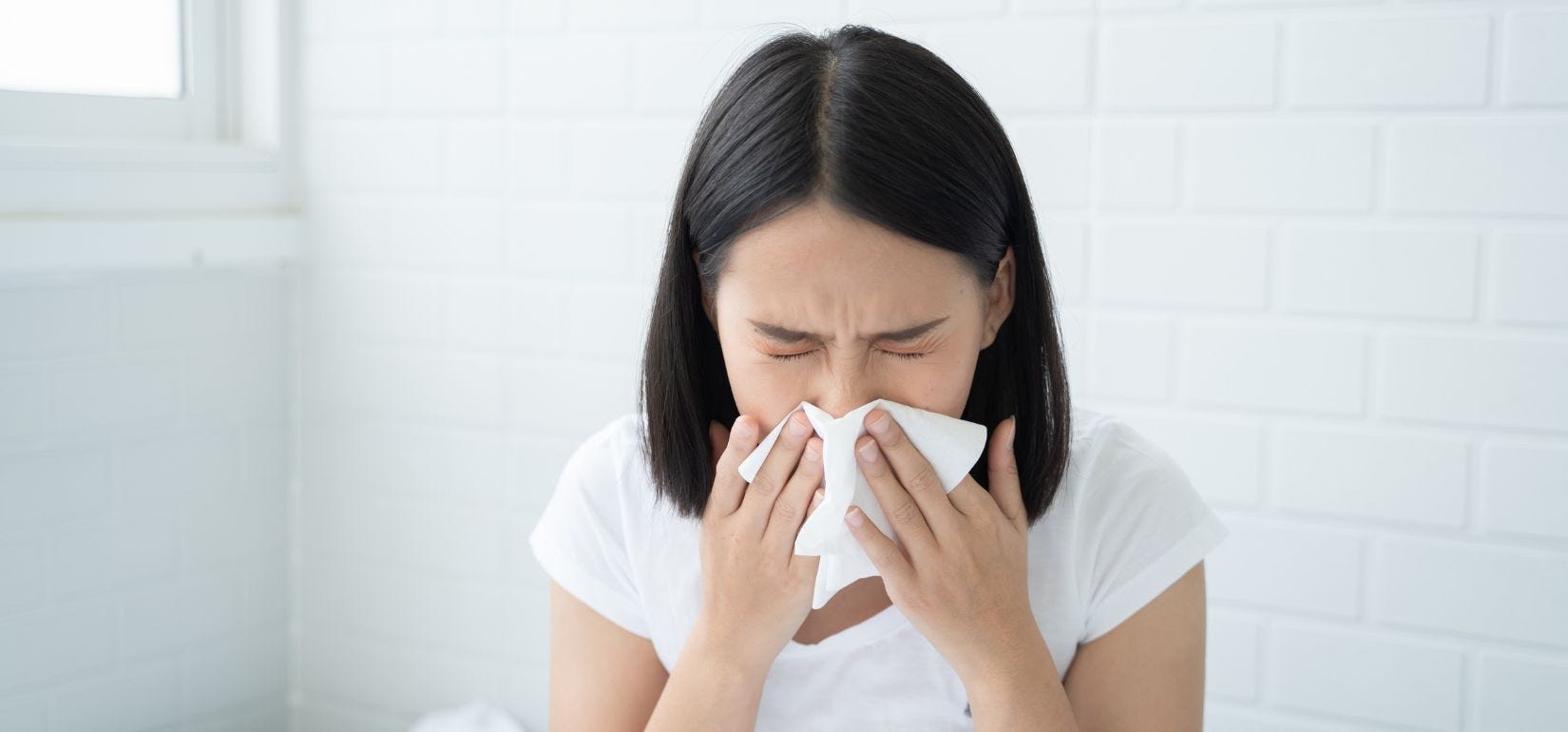
Do you pee when you run? You’re not alone. Stress incontinence can happen to anyone, even elite female athletes. Read these 10 tips to stop leaking when running.
What Are the Different Types of Urinary Incontinence?
, by Aleece Fosnight .
Urinary incontinence, or the involuntary loss of urine, is a common health condition in the United States. According to the National Association for Continence (NAFC), 25 million people in the US experience some form of urinary incontinence every day. Incontinence can occur as a result of urinary tract infections (UTIs), constipation, caffeine consumption, or as a side effect of some medications (such as a diuretic).
You're Not Alone: Survey Shows New Mothers Aren't Well-Prepared for Postpartum Incontinence
, by Marlee Septak .
#html-body [data-pb-style=IXFJRV3]{justify-content:flex-start;display:flex;flex-direction:column;background-position:left top;background-size:cover;background-repeat:no-repeat;background-attachment:scroll;margin:0;padding:0}
#html-body [data-pb-style=Q7AFSQP]{justify-content:flex-start;display:flex;flex-direction:column;background-position:left top;background-size:cover;background-repeat:no-repeat;background-attachment:scroll;margin:0;padding:0}This content was last medically reviewed on Feb 5, 2025 by Aleece Fosnight, MSPAS, PA-C, CSC-S, CSE, NCMP, IF, HAES.
#html-body [data-pb-style=MJX8B0O]{justify-content:flex-start;display:flex;flex-direction:column;background-position:left top;background-size:cover;background-repeat:no-repeat;background-attachment:scroll;margin:0;padding:0}
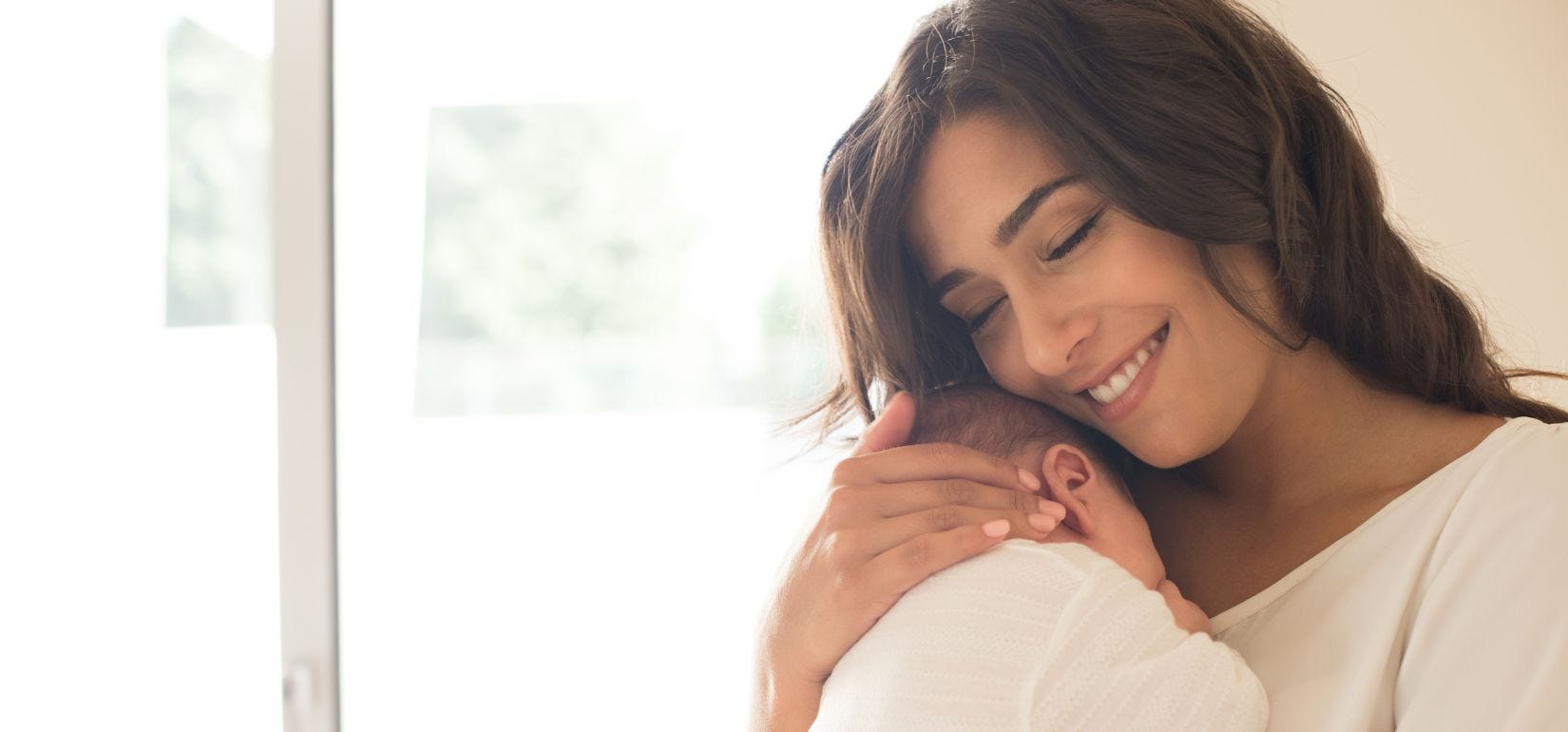
If you're a new mom experiencing postpartum incontinence, you're not alone! It's extremely common and there are many treatments you can do at home or with a specialist to help manage your symptoms.

 By
Tiff Perritt
By
Tiff Perritt