Marlee was the Senior Content Specialist at Aeroflow Urology from 2022 to 2025. She brought a deep understanding of incontinence and health conditions associated with it to her writing. She thrived on collaborating with organizations dedicated to improving the world, such as the Awareness Film Festival and The Borgen Project.
A graduate of Columbia College Chicago with a Bachelor's degree in Journalism, Marlee actively contributed to various publications, including Borgen Magazine, Echo Magazine, Assuaged, Inc., and Chicago Ideas Week. Her work demonstrated a keen awareness of health issues, particularly those related to incontinence.
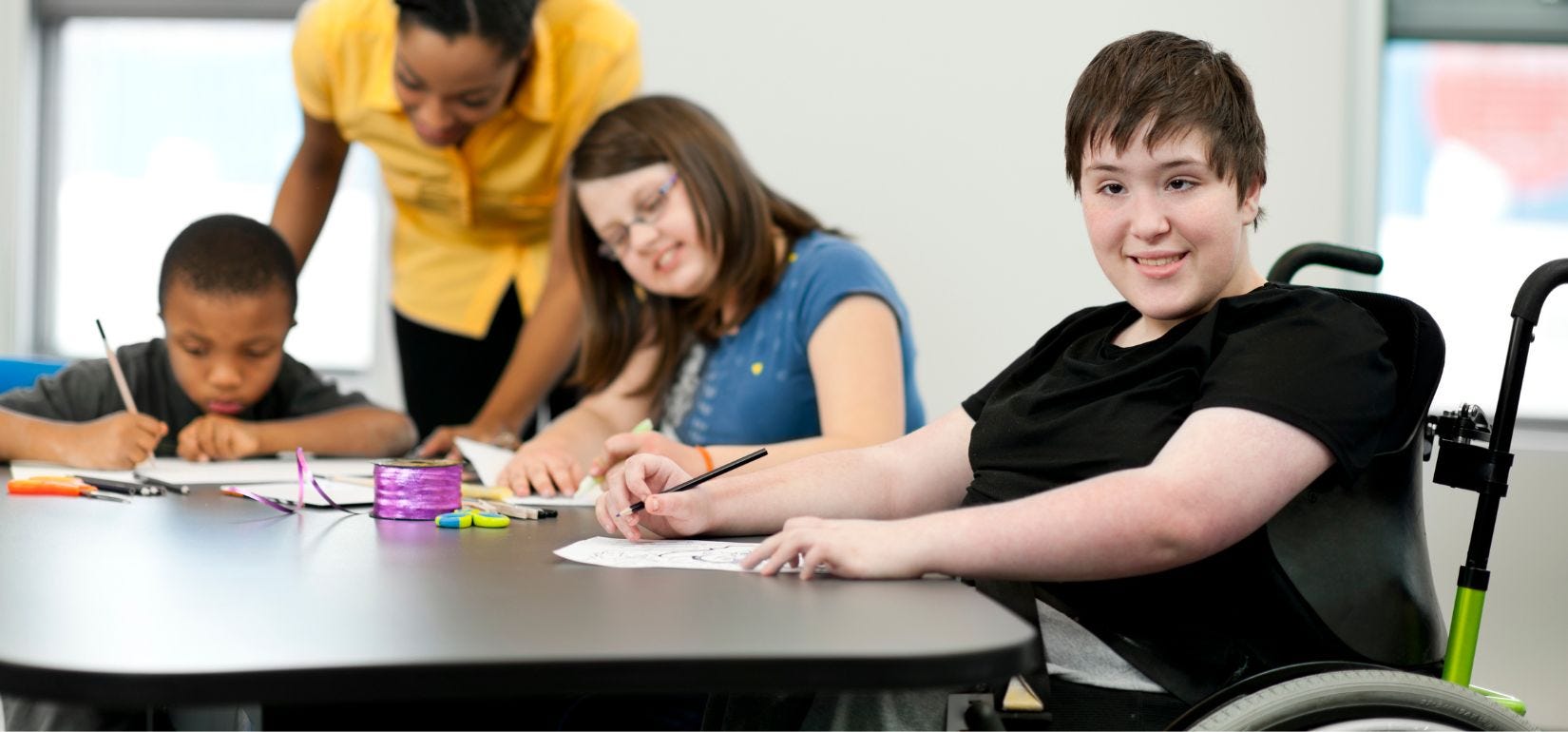
Special Needs or Disabled: Which Term Should You Use? , by Marlee Septak .
The vernacular for people with special needs has changed over the last hundred years and continues to evolve with society. Aeroflow Urology took a poll to see which term people prefer today and why: "special needs" or "disabled?"
Research suggests that diets can have an impact on the lifestyles of people who have autism. Read this post in under 10 minutes to find out which foods are best and worst to eat if you have autism.
10 Tips for Children With Autism & "Picky Eating" , by Marlee Septak .
Do you have a child with autism that seemst to be a "picky eater?" Well, that "picky eating" is actually called food aversion, and it's very common among children with autism! Adapting to your child's food aversions takes a lot of experimenting, but there are many ways to help them find nourishing foods they'll love to eat.
Potty training a child is a big challenge to take on, and there's not much information out there on how to transition children with Cerebral palsy from diapers to the toilet. This guide will give you five helpful tips you can use when your child is ready to make the change.
During the COVID-19 pandemic, people with overactive bladder (OAB) have been experiencing an increase in their symptoms. Some even noticed an onset of new symptoms that they hadn't before, such as frequent urination and nocturia. Could this be connected to the coronavirus? Discover what new studies are revealing about the link between Covid-19 and frequent urination.
Incontinence may be present in older children with autism. Discover why bladder and bowel issues continue into later years and find out what you can do to support your loved one.
The Ultimate Outfits for Hiding Diapers and Catheters , by Marlee Septak .
When an individual is diagnosed with incontinence, they can often feel the weight that comes with having to adapt their lifestyle to the daily use of disposable briefs, catheters, and other continence care products. Part of this weight is a never ending stream of thoughts about concealing their products in their clothing. Will their catheter be obvious? Will their briefs, also referred to as adult diapers, be noisy? Once they void their bladder, will it cause their protective undergarments to sag? Don’t fret - some of this stress can be alleviated by making simple changes to your wardrobe.
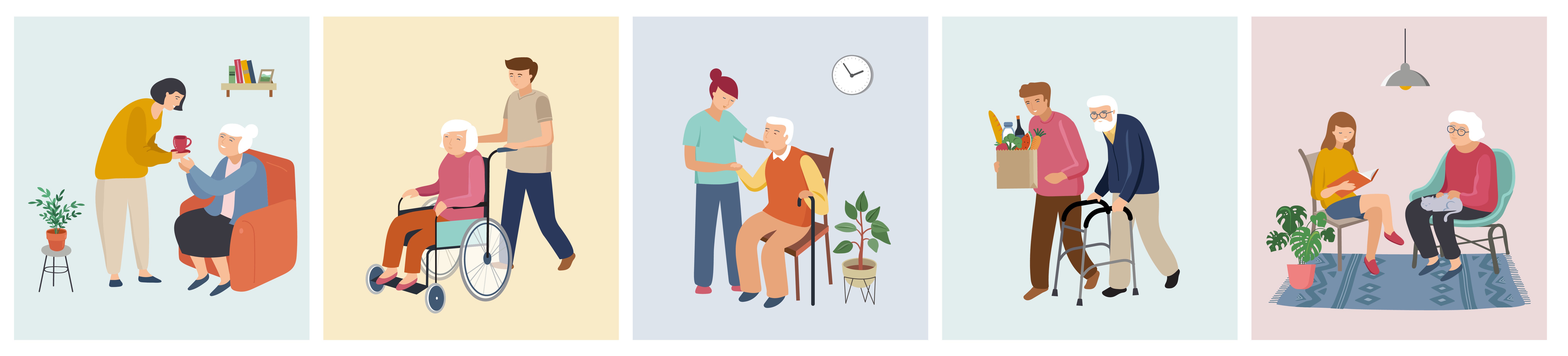
5 Ways to Help Your Parent with Incontinence , by Marlee Septak .
When you're born, your parent is your lifeline. They feed you, burp you, change you; you're completely dependent on their care. Then, as you grow older, you become more and more autonomous and independent of your parents, and it's a very exciting time. Your parent is still the invincible lifeline that guided you through the beginning of your life, but then things start to change. Your parents grow older, and they begin to show signs of their increasing age.
It can start as small things - needing reading glasses, forgetting where they put the remote, asking for a hand to get up out of a chair, etc. However, as your parent transitions into their older years, you may have to find a caregiver for them. You might even begin to become their primary caregiver, yourself. This is where things can start to become uncomfortable. In this new role, the child becomes the surrogate parent. However, some changes don't have to be as drastic as they initially seem. Discussing intimate subjects such as continence care can be intimidating. Trust us, we know. However, there are ways to receive help. If you keep these five factors at the front of your mind, you can set both you and your parent up for success.
How to Care for Sickle Cell Disease & Incontinence , by Marlee Septak .
Caring for someone with sickle cell disease often means providing for your child as well as taking care of yourself, since it’s an inherited condition. However, your child may have different symptoms than you, such as incontinence.
How To Find Adaptive Clothing For Disabilities , by Marlee Septak .
If you care for someone with a mental or physical disability or struggle with a disability yourself, finding proper clothing might be a struggle. Clothes need to be functional, comfortable, and easy to put on and remove! That’s why it’s time to consider adaptive clothing for disabilities instead of traditional options.