Caregiver Burnout: Symptoms, Resources & Tips

Originally Published March 4, 2025
Key Takeaways:
- According to the U.S. Centers for Disease Control and Prevention (CDC), 1 in 5 adults provides care to family members or friends who have a chronic health condition or disability.
- If you’re caring for a child with a disability or health condition, pay close attention to your physical and emotional well-being. As soon as you experience any caregiver burnout symptoms, don't ignore them. Early intervention can prevent things from escalating.
- Don't hesitate to reach out for support. Visit your healthcare provider or join a caregiver support group.


Do you feel overwhelmed, exhausted, or emotionally drained from caring for your loved one? You're not alone.
If you’re the primary caregiver of a child with a disability, medical condition, or ongoing support needs, burnout can creep in quietly, especially when your days are busy. Many caregivers go through this, and recognizing the symptoms early can help you find the support you need.
In this blog, you’ll find tips from a real caregiver, Anne G. Bragg. Learn what caregiver burnout is, how to spot it, and, most importantly, how to find help and support.
What Is Caregiver Burnout?
Caregiver burnout is a state of emotional, physical, and mental exhaustion resulting from long-term stress in caring for someone else. This may happen because, over time, it becomes easy for your own needs to take a backseat.
For parents and family members caring for a child who needs ongoing support, burnout can occur when care is constant, and there’s little time to rest. The stress can feel endless, even when you love your child and want to do your best for them.
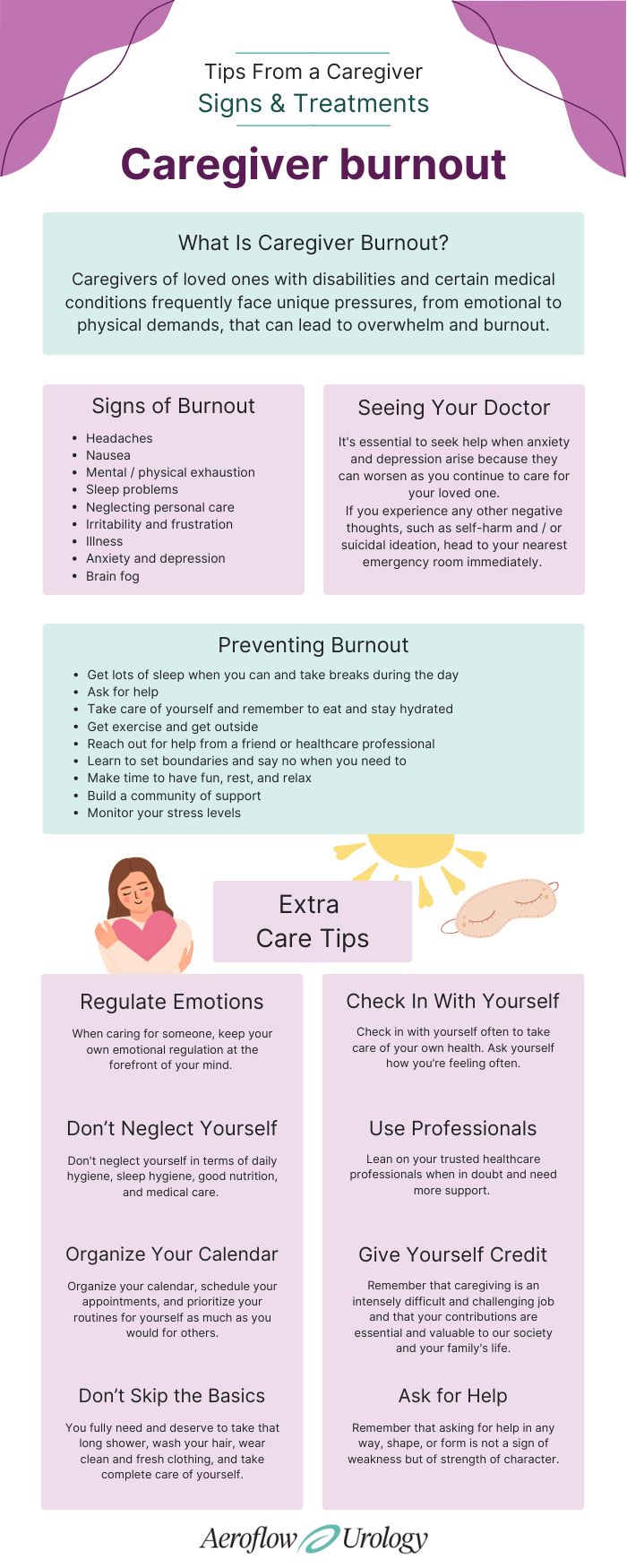
What Are Common Caregiver Burnout Symptoms?
Burnout looks different for everyone, but some common warning signs include:
-
Headaches, migraines, dizziness, or nausea.
-
Insomnia and / or sleep pattern changes.
-
Getting sick more often or feeling run-down.
-
Physical, mental, or emotional exhaustion that doesn’t improve with more rest or by slowing down.
-
General feeling of being in a funk, feeling helpless, inadequate, worthless, insecure, negative, or feeling like you’re stuck in a bad situation you can’t get out of.
-
Sudden mood changes, such as intense sadness, anxiety, depression, irritability, feeling easily frustrated, quick to temper, emotionally dysregulated, or even feeling numb or apathetic.
-
Avoiding things you usually enjoy or typically do as part of your regular routines, experiencing difficulty socializing, or feeling less confident than your usual self.
-
Brain fog / forgetfulness that leads you to neglect your personal care, such as forgetting to eat, difficulty getting dressed, showering, brushing your teeth, etc.
-
Struggling to start the day or feeling like it's a painfully slow process and an immense chore that takes immense effort.
-
Feeling like a failure as a parent / caregiver, thoughts of wanting to run away from home and start over again, just to get it right.
Can Caregiver Burnout Lead to Mental or Physical Health Problems?
Yes, caregiver burnout can lead to a decrease in mental well-being and physical health issues. According to a study examining the impacts of caregiver stress, researchers found that caregiver burnout can lead to health problems, such as:
-
Decline in physical health.
-
Increased mental health concerns.
-
Overall decreased quality of life.
Burnout can also increase financial costs for caregivers, family members, and health care systems, making it a public health issue.
When Should I See a Healthcare Provider?
According to the Cleveland Clinic, you should seek outside help from healthcare professionals if you experience stress or depression. It's critical to receive help early, as these feelings may get worse over time and affect your well-being.
If you experience any negative thoughts, such as self-harm and / or suicidal ideation, head to your nearest emergency room immediately.
Resources for Caregiver Burnout
Besides visiting your healthcare provider, you can use other resources to get support and recover from burnout:
-
Medical care: Visit your provider to seek medical care for any physical or emotional symptoms you’re experiencing.
-
Check if you qualify for free diapers or pull-ons: The cost of caring for someone with incontinence (urinary and / or bowel leakage) can add up fast. Aeroflow Urology can deliver monthly supplies like free kids’ diapers, pull-ons, or wipes if you qualify. Use our secure, two-step form to check your coverage.
See if you qualify for $0 kids' diapers, pull-ons, or wipes with Medicaid or insurance!
- Visit the Caregiver Action Network (CAN): Use the CAN site for support and helpful resources. They offer condition-specific resources across a variety of topics to fit your needs.
- Print out a self-care checklist: Download and print out a self-care checklist to keep track of your well-being.
- Support groups: There are many caregiver support groups online (Reddit, Facebook, etc.) that you can access from your home.
Remember that you are never alone and that support is available.
How Can I Prevent Caregiver Burnout?
If you notice changes in your physical or mental health, or feel at risk, contact a trusted healthcare professional or doctor right away.
Here are some other tips to help prevent caregiver burnout:
- Rest and reset: Sleep when you can and take short breaks during the day.
- Get support and share the load: Accept help, delegate when possible, and consider respite care so you can truly recharge.
- Remember to eat and drink: Eat regularly, drink water, and get professional guidance on supplements or possible deficiencies.
- Move and get outside: A short walk, fresh air, or sunlight can help lower stress.
- Lean on your support system: Stay connected with friends or family, join caregiver support groups, and reach out to healthcare professionals when needed.
- Monitor your stress levels: Watch for common signs of stress and set boundaries — it’s okay to say no when experiencing burnout to preserve your time and energy.
- Nurture your soul: Self-care, hobbies, checkups, laughter, and calming practices like journaling, meditation, practicing positive self-talk, and listening to music can help.
- Practice acceptance: Work on your level of personal acceptance of the realities of caregiving and parenting. Accept that even immense difficulties and challenges do not have to be equated to a bad life, lack of progress, or a situation of feeling despair and desperation for any of you.
Extra Self-Care Tips to Reduce Caregiver Stress
Regulate Your Emotions and Check In With Yourself
Pay attention to your emotions, and try not to take things personally when they aren’t your fault. As a caregiver, focus on managing your own emotions and look for chances to help your loved one do the same.
Check in with yourself often and ask:
-
Am I depressed?
-
Do I feel stuck, numb, isolated, or unable to handle things?
Don’t Neglect Yourself; Keep Your Routines Non-Negotiable
Never neglect daily hygiene, sleep, good nutrition, and medical care. It’s easy to procrastinate, miss appointments, or put your own health on the back burner when you’re caregiving.
Use RUFF (Rest, Unplug, Food, Fun) as a simple self-care check-in, and aim to practice it consistently.
Also, organize your calendar, schedule your appointments, and prioritize your routines for yourself as much as you would for others. Set small, achievable goals by date (including sneaking in fun things for yourself).
Lastly, fast food, convenience snacks, dry shampoo, couch-sleeping, and wearing the same clothing for too long shouldn’t be your go-to survival plan. You need and deserve to take that long shower, wash your hair, wear clean clothing, and take complete care of yourself.
Lean on Professionals
Turn to trusted healthcare professionals if you have doubts or need more support. There’s no substitute for advice from professionals who know you and your family. Remember, caregiving is as valuable and important as any other job, if not more.
At the same time, trust your gut: if you feel dismissed, invalidated, or like someone is a bad fit, don’t be afraid to get a second opinion or change professionals.
Give Yourself Credit
Many people would not be able to do what you do and manage as much as you do, as well as you can, so give yourself some credit!
- Find a small way to treat yourself or reward yourself for a job well done. This can be simple. For me, at this very moment, it's going out for a chai tea and treating myself to something nutritious and tasty that I didn't have to prepare for myself! Sometimes, the extra bit of money is worth it if it saves some of the food prep, clean-up time, and energy you expend. It's a balance we must strike.
Don't Be Afraid to Ask for Help
Remember that asking for help in any way, shape, or form is not a sign of weakness but of strength of character!
Never assume that people know you need support. They cannot understand this just by looking at you. We are often very good at concealing the hard things and the truth.
About the Author

Anne G. Bragg is a Guest Writer for Aeroflow Urology and a U.K-trained Primary Teacher. She has a Bachelor’s Degree with Hons in Education and French, and she is a proud mother of 5 children; 3 are clinically diagnosed with developmental disabilities. She lives in Toronto, Canada.
Anne loves to help educate and emotionally support primary caregivers. She founded Autism Supermoms in 2017, where she also advocates for autism awareness and acceptance.
Frequently Asked Questions
What is a common sign of caregiver burnout?
One of the biggest signs of caregiver burnout is feeling constantly tired or feeling like you’re drained and worn out even after you’ve rested. You might also notice changes in your sleep, feel irritable, or lose interest in things you usually enjoy.
What are some caregiver burnout resources?
You can join support groups or talk to your doctor, who may connect you with more resources. If your loved one has incontinence, you may qualify for free, monthly bladder control supplies like children’s diapers or pull-ons through Aeroflow Urology if they have Medicaid or insurance.
How long does it take to recover from caregiver burnout?
Caregiver burnout doesn’t have a set timeline. Some people start feeling better in a few days or weeks, while others need months. Your experience is unique and depends on how severe your burnout is and the support you receive.
What’s the difference between caregiver burnout vs. compassion fatigue?
Burnout often builds slowly from ongoing stress and having too much on your plate. Compassion fatigue usually involves feeling emotionally numb or less able to empathize after prolonged exposure to suffering. They can overlap, but it’s important to remember that they’re different.
References:
Broxson, J., & Feliciano, L. (2020). Understanding the impacts of caregiver stress. Professional Case Management, 25(4), 213–219.
Caregiver Action Network. (2025, September 8). The Family Caregiver Toolbox.
Cleveland Clinic. (2023, August 16). Caregiver burnout: What it is, symptoms & prevention.
Kilmer G, Omura JD, Bouldin ED, et al. Changes in Health Indicators Among Caregivers — United States, 2015–2016 to 2021–2022. MMWR Morb Mortal Wkly Rep 2024;73:740–746.
Disclaimer
Information provided on the Aeroflow Urology blog is not intended as a substitute for medical advice or care from a healthcare professional. Aeroflow recommends consulting your healthcare provider if you are experiencing medical issues relating to incontinence.